Malossi: history runs on two wheels
More than 60 years of history and many completed projects: we remember our origins through our relationship with vehicles that have marked generations.
2024
The ascent of 100 cc
Following the groundbreaking success of the 94 cc, we challenged ourselves to advance the state of the art. Again. This commitment gave rise to the new Malossi 100 cc cylinder, an exhaustive redesign where every single detail matters:The crankshaft, con rod, ports, exhaust, and internal geometries were meticulously optimized to deliver unparalleled reliability and performance. Generating over 32 CV at 14,000 RPM and featuring a design instantly recognisable as a performance icon, the 100 cc is not just an upgrade – it establishes a new paradigm in our legacy and in the history of competitive two-stroke engines.
2022
The moped masterpiece.
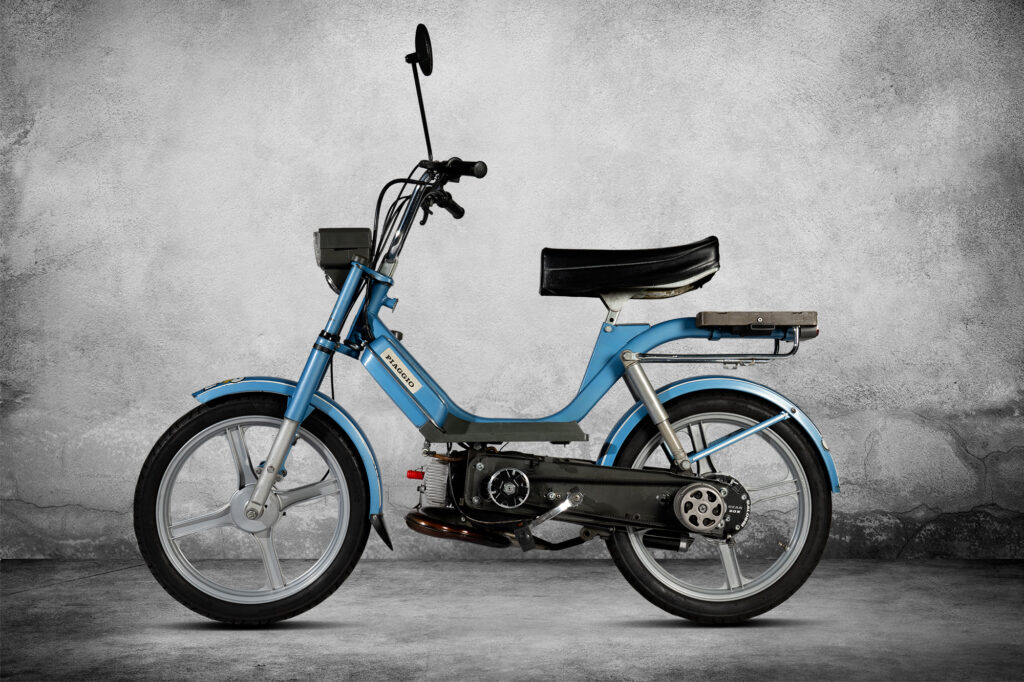
This is the year in which we transformed a technical component into a collector’s item. Enter the Malossi gear box. Die-cast in aluminum and finished in our hyper-automated lines, it’s a true work of art engineered for the Ciao, Sì, and their “cousins.” We significantly increased rigidity with strategic ribbing, pressed roller bearings, NBR oil seals, and a labyrinth system to seal the oil while allowing the gear casing to breathe. We re-engineered the entire package, even upgrading the brake shoe – replacing the old gasket with silicone paste, just like modern vehicles. The result? Our Gear Box is a complete casing that includes bearings, oil seals, bolts, and shims, ready to elevate Malossi gears… or even the stock ones, if you must.
2019
Malossi loves its lovers.
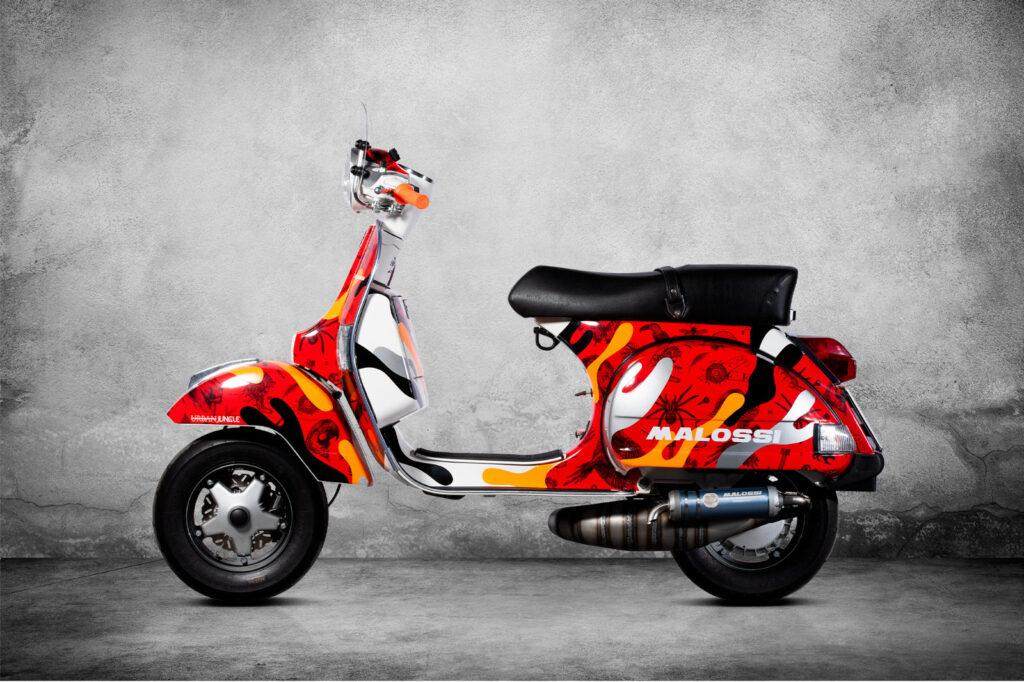
It was during the motorcycle trade fair par excellence, Eicma, that Malossi paid a tribute to enthusiasts of the Vespa PX 125, by launching two new crankcasings: V-ONE and VR-ONE. The first is dedicated to the amateur, the restorer, the traveller or the simple Sunday tourist looking for a component that can perfectly replace the original and does not require any modifications to be made to the vehicle. The MHR range crankcase, on the other hand, is designed for the tuner looking for maximum performance, the best internal fluid dynamics and the greatest engine development possibilities.
2015
Passion for vintage.
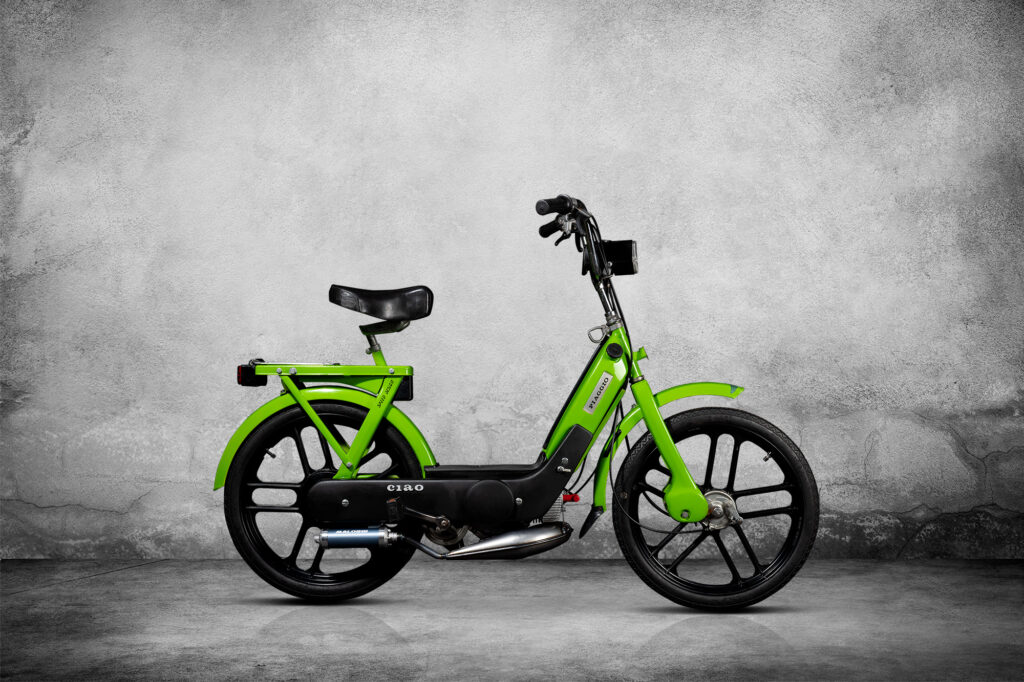
Since 2015, we have the certainty that vintage is not merely a passing fad but a real, long-lasting trend ( it started in 2008). Orders for components for vehicles such as the Piaggio Ciao and Sì reached interesting levels, a sign of the great love of a niche of enthusiasts for these vehicles that made history. In 1989, Malossi proposed a highly innovative component for the Piaggio Ciao that made history: the complete engine crankcase with a lamellar feed system. What was the biggest obstacle? Adapting the spaces of the original rotary feed in favour of the lamellar feed system, which required more room. By succeeding in this feat, Malossi established itself in the market as a leading manufacturer of components for these vehicles. However, we also did much more: we gave the Piaggio Ciao grit and character by fitting a 19 mm carburettor (replacing the original 10 mm one). The crankcase manufactured by Malossi has proven to be highly resistant as well as performing over the years.
2013
After years of continuous research and innovative ideas, the crankcase had become the most critical and vulnerable part as it could no longer adequately support the power delivered by the other Malossi components designed over time. This led to the decision to go down the road of creating and manufacturing an entire engine crankcase. This gave rise to the MHR C – ONE crankcase and later, the MHR RC – ONE crankcase, that marked yet another turning point for the company. This new crankcase proved to be revolutionary: it allowed the cylinder capacity to be increased to 94 cc and delivered more than 30 hp. It also has an additional advantage: modularity. It could, in fact, be mounted with the new Flanged Mount Testa Rossa cylinder line and therefore create a very high-performance, all-purpose engine. The first RC – ONE engine was fitted to all vehicles originally equipped with the Piaggio LC 50 cc 2 T engine. After two years, the RC – ONE version was released on the market for all vehicles with the original Yamaha Minarelli LC 50 cc engine. The RC –ONEengine, in addition to the very high public approval, it has resulted in yet another huge satisfaction for Malossi: it was the engine used in the 6 Bonneville World Records.
2010
YZF – R125
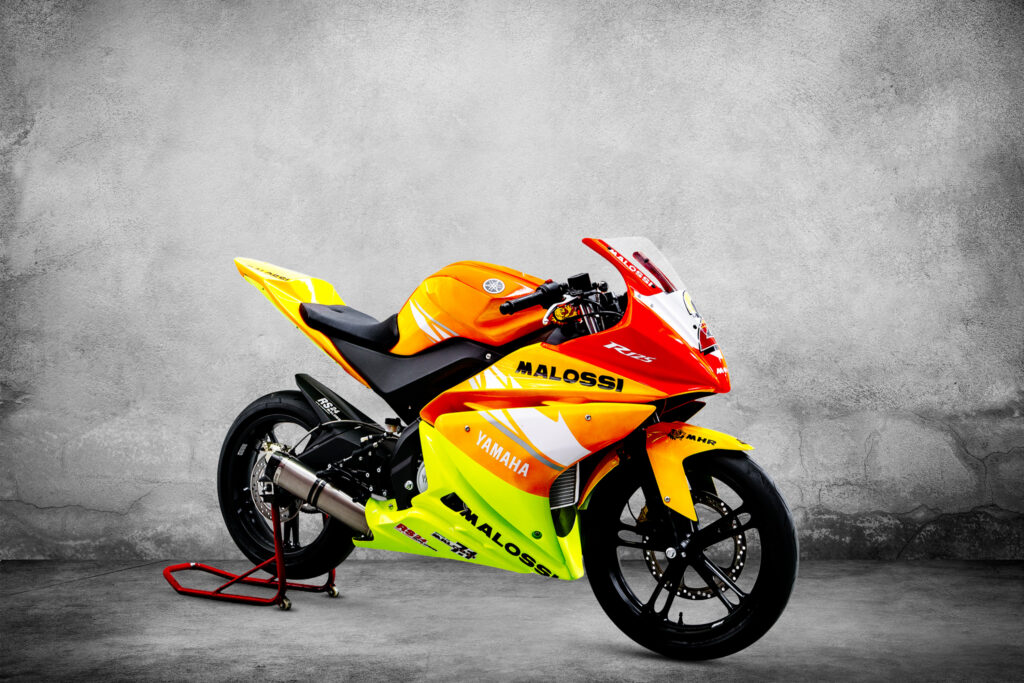
In the first decade of the 2000s, Yamaha introduced major changes to the YZF – R125 it was one of the first 125 cc vehicles to switch from the traditional carburettor to an unprecedented electronic fuel injection system. Malossi fully understood the strategic importance of this new feature, which combined the advantages of the carburettor (full-bodied delivery) and those of fuel injection (power at high revs), foreseeing that many 125 motorcycle and scooter manufacturers would avail themselves of the same solution. Studies and technical tests then began to combine the new electronic control unit with the increased capacity cylinders supplied by Malossi. This is how the first cylinder complete with an I-TECH control unit on the market was created, and it was made by Malossi. These are high-performance and absolutely reliable increased capacity cylinders, designed and manufactured with the CadCam system, which, thanks to the company’s top-level know-how, redefine the thermo-fluid dynamics circuit, the cooling system as well as the structural calculations. Increased capacity cylinders that proved to be outstanding, especially in terms of acceleration performance. Malossi also decided to produce the FORCE MASTER add-on units alone, featuring special mappings capable of optimising carburation.
2003
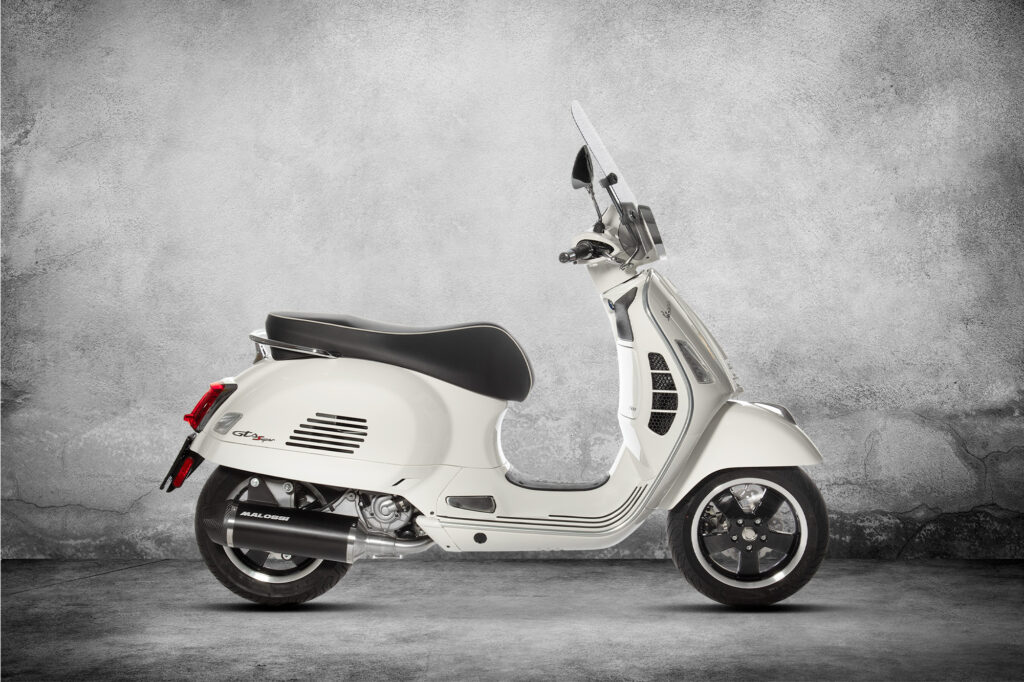
Vespa GTS
Vespa GTS, A sporty variant of the most famous Italian scooter in the world and a symbol of the Made in Italy style, it enchants those who seek a sporty soul embodied within the timeless style of Vespa. The new Malossi V4 HEAD 4-stroke engine head gave the Vespa even more verve and dynamism. Until the early 2000s, Malossi, had dedicated itself exclusively to the development of 2-stroke engines and components, then decided to embark on the design and production of a 4-stroke engine head. The V4 HEAD was developed in primary aluminium alloy cast by gravity, with thermochemically treated steel, cobalt and copper alloy valves. The real engineering challenge of the V4HEAD was to create a versatile head that could be fitted in combination with Malossi thermal units ranging from 125 cc up to 300 cc. Fitting out the Vespa GTS engines enabled Malossi to further conquer the international public and become an ever greater standard-bearer of Italian craftsmanship worldwide.
2001
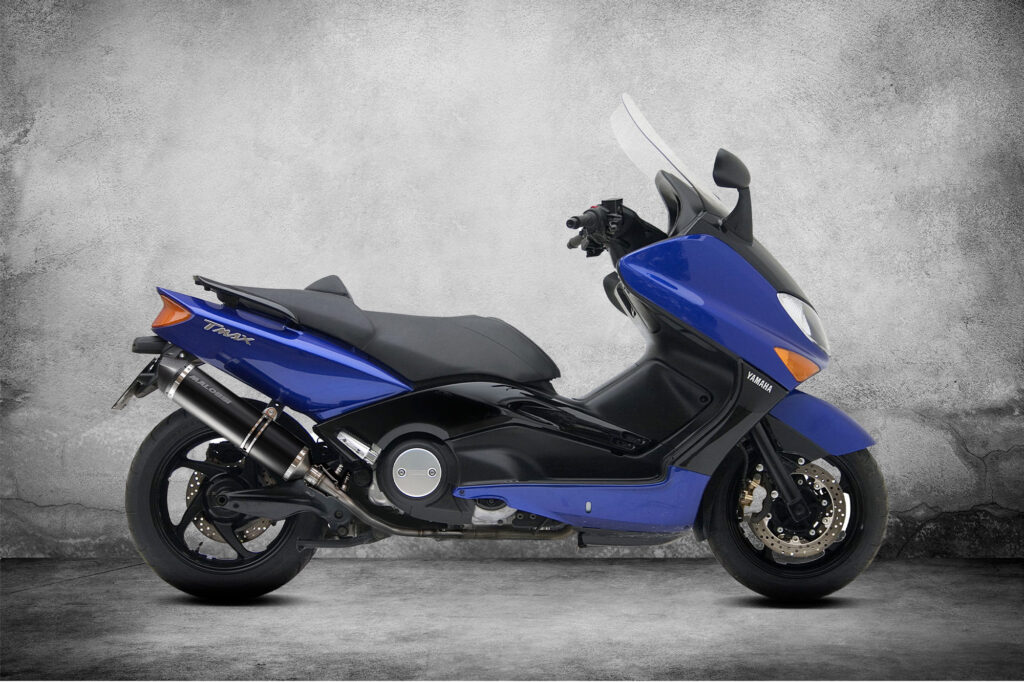
T-Max 500
As from 2001, the manufacturer of the three tuning forks launched a bomb, a maxi-scooter capable of partially changing the perception of the entire category: theT-Max 500. Yamaha succeeded in conquering the international market, introducing new, interesting technical solutions to enable this vehicle to achieve significant performance, combined with a sporty design that until then had only characterised the company’s motorcycles. Malossi had ambitious goals to achieve: to produce top-quality components that would exceed the performance of the vehicle in its original configuration, yet without compromising its reliability, given the long journeys the T Max was expected to undertake. As a consequence, even more stringent quality control and production control processes were introduced in the company: every component that would, from then on, leave the Calderara di Reno site would have to correspond to the standard that was decided upon. Starting with the drive system, enhanced by a specially designed Multivar variator, Malossi continued to design and produce special parts following the evolution of this scooter over the years. Indeed, after the drive system came exhaust pipes, thermal units and many other components that, when put to the test on the track, enhanced the sporty nature of this scooter, resulting in it achieving extremely high performance levels.
1999
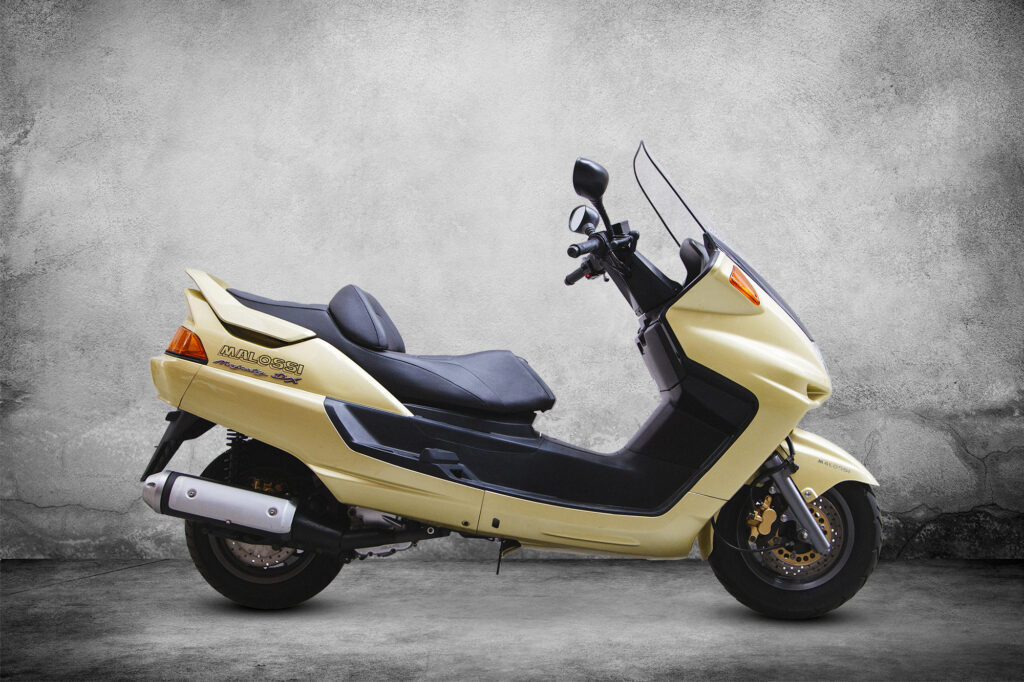
Maxi-scooter, maxi-adventure.
Between the late 1990s and the early 2000s, the national and international scooter market changed with the arrival of new vehicles, characterised by four-stroke inner engine parts and engine capacities above 50 cc, the so-called ‘maxi-scooters’. Faced with the great commercial success of these vehicles, Malossi management and technicians had to make a choice: Should they invest or not in developing special parts for four- stroke motorcycle engines? The challenge was readily accepted and the study of these vehicles began with the very popular Yamaha Majesty 250. Being the first to believe in an after-market for maxi-scooters, overcoming much scepticism on the part of insiders, Malossi produced a four-stroke thermal unit for Majesty 250 with an increased cylinder and piston, bringing the overall cylinder capacity to 290cc and ensuring maximum reliability thanks to the use of first-rate materials. This marked the launch of the first engine in the now extensive 4Stroke range, with the Multivar in a ‘maxi’ version capable of replicating the success of the 50cc configuration. The positive market response allowed the company to expand its range for these vehicles year after year, making camshafts, valves and secondary gears available for all the most popular maxi-scooters of that time. In 1999, an adventure began that has never stopped since.
1996
The Malossi quest continued.
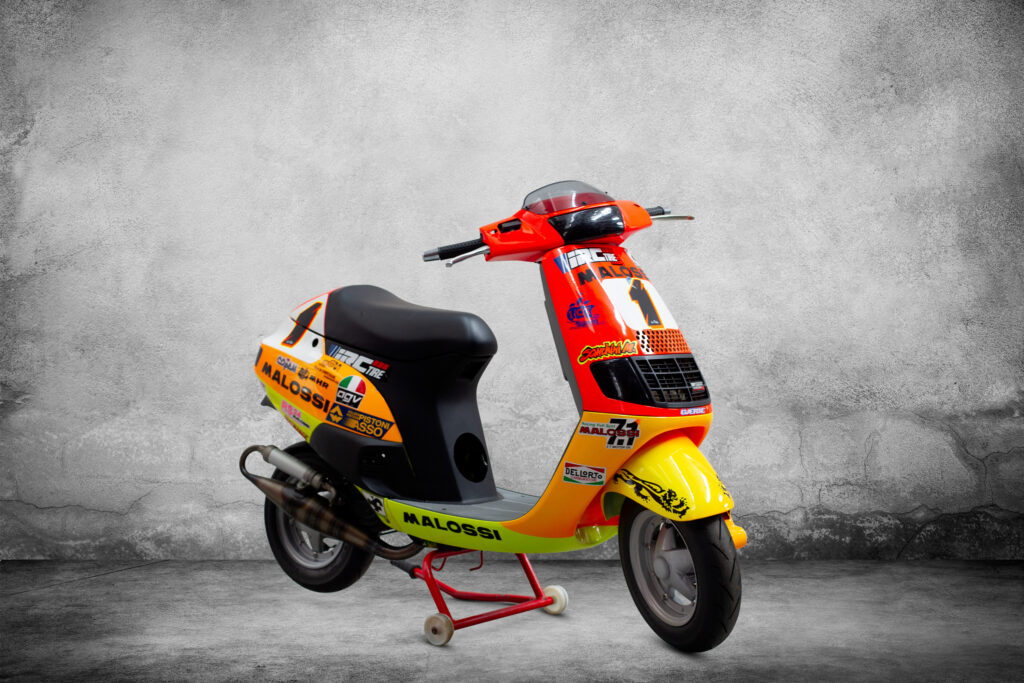
After consolidating the success of the special MHR branded parts dedicated to Piaggio’s first liquid-cooled scooter, the unforgettable Quartz, Malossi continued its quest for ever more extreme performance. After carrying out several tests, it recognised the Zip Sp as the most suitable vehicle for track racing preparation. As a result, since 1996, the catalogue of special parts dedicated to this little racing motorcycle has never ceased to grow, starting with the first kits featuring an aluminium cylinder, much more powerful than the previous cast-iron cylinders. However, it is well known that access to higher power must go hand in hand with special parts that are capable of handling it and discharging it to the ground: Malossi achieved its goal by producing, for the very first time, solid-shouldered crankshafts and a control unit to better control all the scooter’s electronic components. Track tests showed the need for suspension capable of giving the scooter greater rigidity and the option to make specific adjustments. The solution to this challenge was called RS24, the new brand that brings together track-specific scooter suspension and raises the quality level of this component. With the RS24, gas shock absorbers were introduced for the first time on this type of vehicle. These years witnessed the development of another important Malossi brand that was destined to have a long-lasting history reaching all the way up to the present: 7.1, the ideal racing oil, created specifically to ensure the best on-track performance.
1992
Malossi Hyper Racing.
Malossi gained a great deal of experience in the production of the first kits for Japanese scooters. And it didn’t stop there: it did the same also for various models produced by Italian manufacturers such as Piaggio and Aprilia, turning out more and more high-performance parts for use in specific competitions. It was precisely during those years that the MHR (Malossi Hyper Racing) brand was launched, an acronym that has accompanied the highest performance special Made in Calderara di Reno parts right from the start. The first scooter chosen for this racing kit was the Piaggio Quartz, one of the most advanced vehicles of that period, with a chassis suited to accommodate upgraded and, above all, liquid-cooled power units. The first racing Quartz were fitted with a thermal unit increased to 70cc, drive systems and ratios developed and produced using the highest quality materials, oversized power supplies and state-of-the-art exhaust pipes. This latter component, the MHR Scooter Racing expansion, is now part of scooter tuning history: prior to this, no manufacturer had ever built an exhaust pipe with the silencer overlapping the body of the exhaust system! This solution – designed to comply with the rules of the Italian Scooter Championship, which did not allow any part of the vehicle to protrude beyond the rear wheel limit – was later adopted as standard by all participating manufacturers.
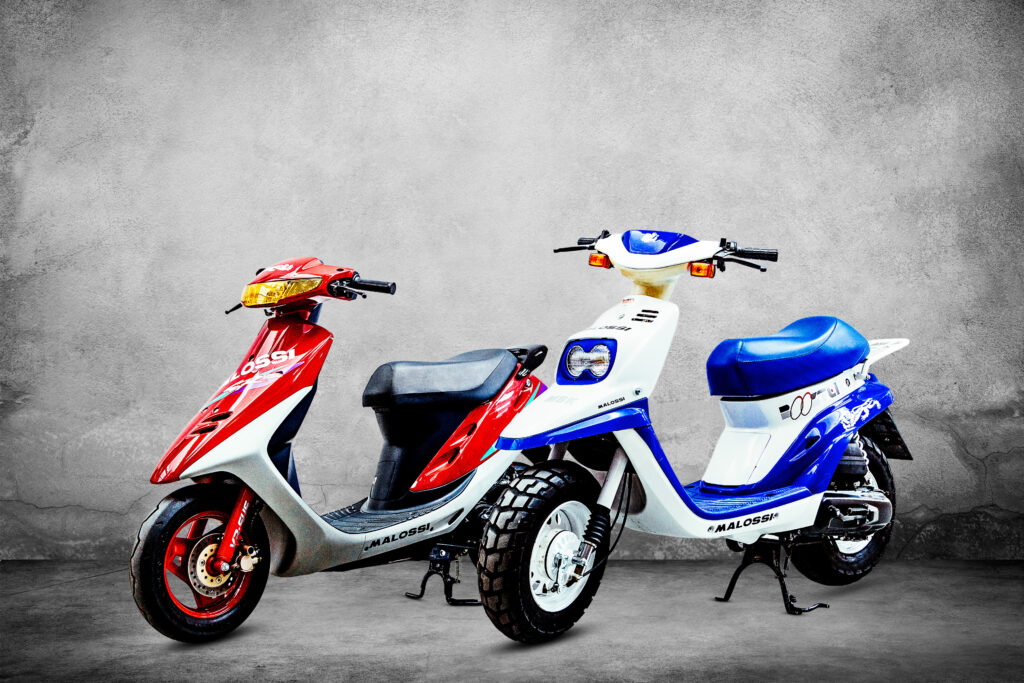
1990s
The boom of the scooter phenomenon.
The production of the first kits for MBK and Peugeot automatic mopeds, led Malossi to enter the scooter-racing world.
In fact, these vehicles are the protagonists of very popular single-brand trophies, especially in France. This resulted in the foundation of the racing division under Sandro’s leadership: the Trofei Malossi races were held not only in Italy but also in Greece, England, Spain, France and Germany. Production was further increased with kits for Vespa 50, PX and ET3: the Italian market became the company’s first target market.
1988
The call of racing track.
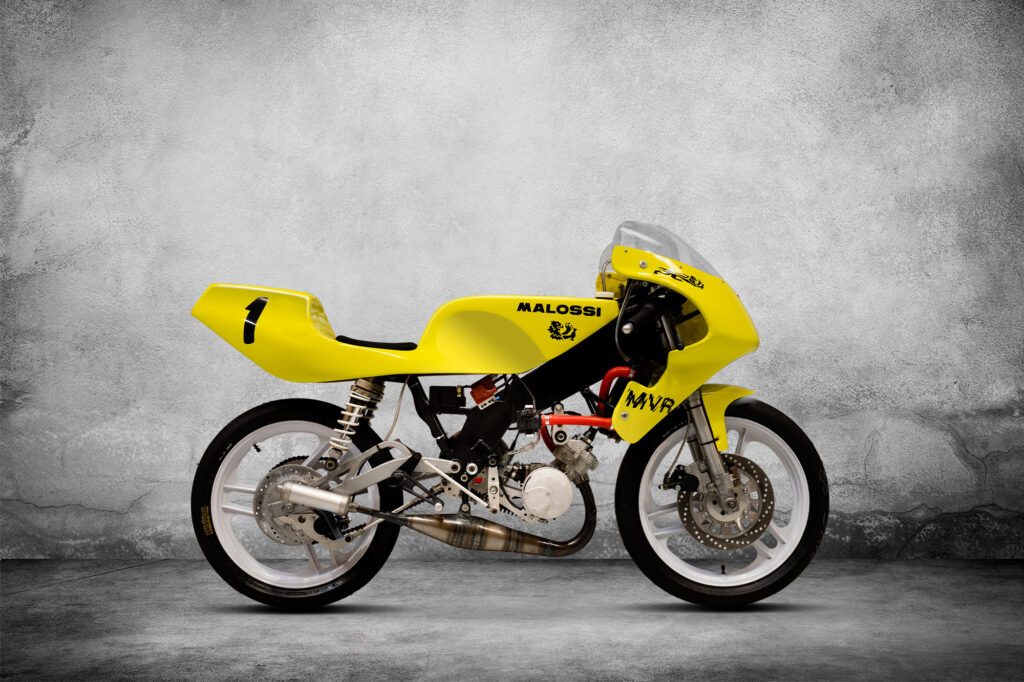
In recent years, the official team competed in 50cc moped races organised in France. In the wake of the great work carried out to maximise the performance of Peugeot and Motobecane mopeds, engineers in Calderara came to the conclusion that the original-derivative chassis set-up was not sufficient to guarantee cycling performance up to the standards of the kit itself. Therefore, MVR, the very first 100% Made in Malossi vehicle was launched. The new V-shaped frame immediately lived up to its expectations: combined with the Malossi components designed to compete in the Trofeo Ipermatic race- which also included a 49cc liquid-cooled thermal unit in compliance with the regulations at that time, and the entire crankcase – it became the benchmark for this competition, open to all special parts manufacturers of that era. A dream came true: the ‘Malossi’ MVR 50cc moped was designed and built entirely in-house. During those years, Malossi expanded the number of motor manufacturers with which to collaborate and opened itself up even further to the world.
1986
Small, high-powered motorcycles for 16-year-olds came on the scene.
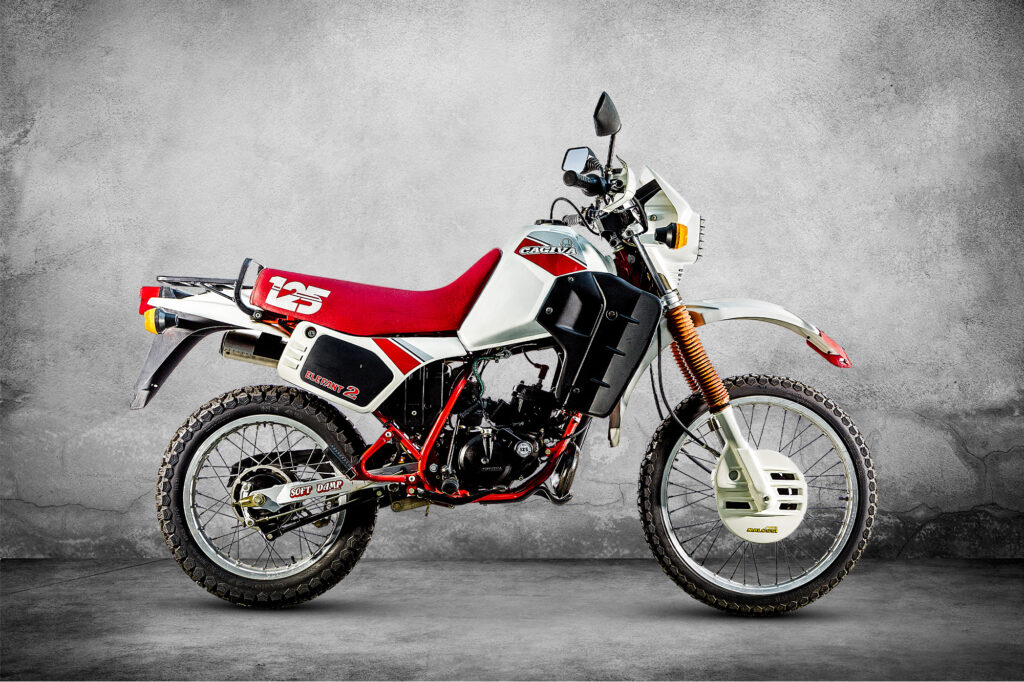
As from the mid-1980s onwards, a series of 125 cc sports motorcycles appeared on the market, equipped with two-stroke engines that already provided high power and respectable performance as standard. These are little gems – for both road and enduro – in which Malossi sees an opportunity to launch itself into the aftermarket for small motorcycles. As a result, the company and its engineers accepted a major challenge: to produce kits capable of giving more power to vehicles that were already extremely fast, without compromising their durability and reliability. Building on the experience gained with kits for the Yamaha TY 50 almost a decade earlier, and thanks to the continuous technological research typical of Calderara di Reno, the first liquid-cooled thermal unit was developed. The kit is destined to equip these mini-motorcycles, starting with the iconic Cagiva Elefant 125 (pictured), and ending with the models manufactured by Honda, Aprilia, Yamaha and Gilera, both enduro and road vehicles.
1983
Malossi meets the Piaggio Vespa.
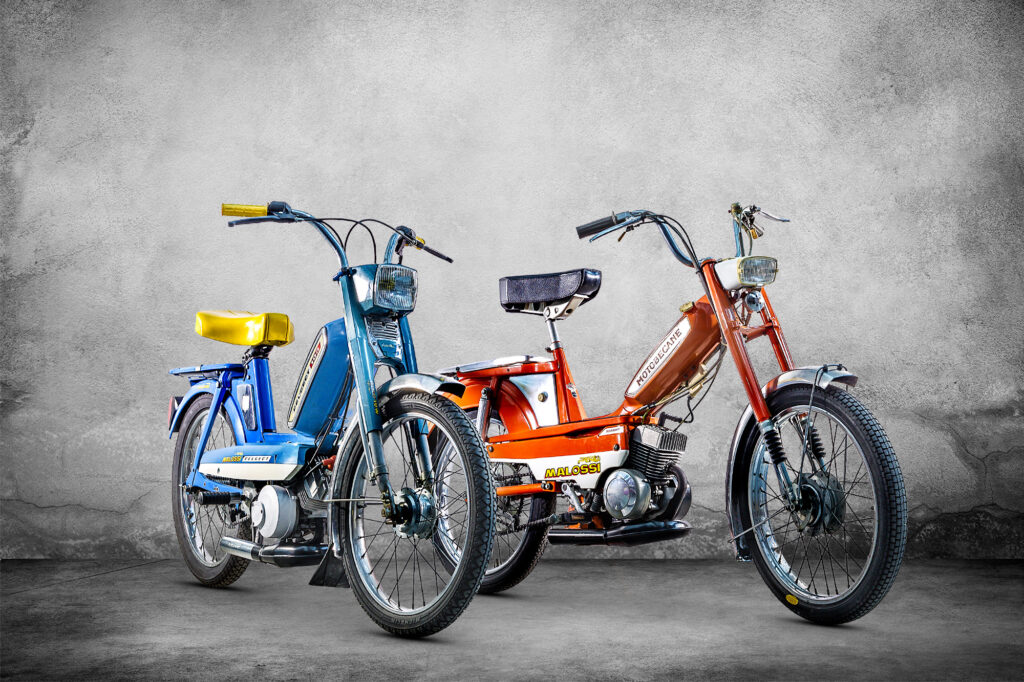
Following the debut and success on the French, Belgian and Dutch markets of the complete kits dedicated to mopeds produced by Peugeot and Motobécane, Malossi is now tackling the Italian market by producing some kits for one of the most popular vehicles in our country: the legendary and much loved Piaggio Vespa. The technicians in Calderara have therefore developed dedicated kits for Piaggio vehicles, initially consisting of the thermal unit, fuel supply and exhaust pipe, drawing on the experience gained in the production of special parts for the Yamaha TY, a motorcycle featuring more advanced technological solutions than the two-wheeler from Pontedera. Indeed, the first step in the preparation of these vehicles was to remove the rotary valve from the fuel system to make room for a more high-performance reed valve pack. In this way, Malossi has established itself as a pioneering company, the first to introduce this solution on the Vespa.
1980
Malossi conquers France and Northern Europe.
The success of the Malossi kits dedicated to the small Japanese motorcycle broadens both the company’s geographical and technical horizons.
So at Malossi they are carefully studying the French market, to see which models could become new recipients of special parts from Calderara di Reno. The choice has fallen on Peugeot and Motobécane, two vehicles produced under the French brand, with a spread within the transalpine borders comparable to the Ciao produced by Piaggio in Italy.
After roughly a year of research, the kits were developed, consisting of the entire thermal unit, manifold and carburettor, as well as an exhaust pipe (the ‘Anaconda’ exhaust pipe is pictured). For the very first time, a new element has been introduced which is fundamental to the future of the company’s production and the performance of these mopeds: the reed valve pack. In addition to this, there is also a new carburettor resulting from the well-established collaboration with Dell’Orto which, upon the explicit request of the Malossi technicians, produced a version of their famous SHA, with an increased max. Ø of up to 15 mm, still in production today.
1978
Japanese mopeds on the rampage.
The four Japanese manufacturers had already asserted their supremacy in medium and maxi-motorcycle racing for almost a decade. One of the few sectors that remained the prerogative of European manufacturers was mopeds, until the first models from the Rising Sun that were truly appealing to 14-year-olds arrived in Europe at the end of the 1970s.
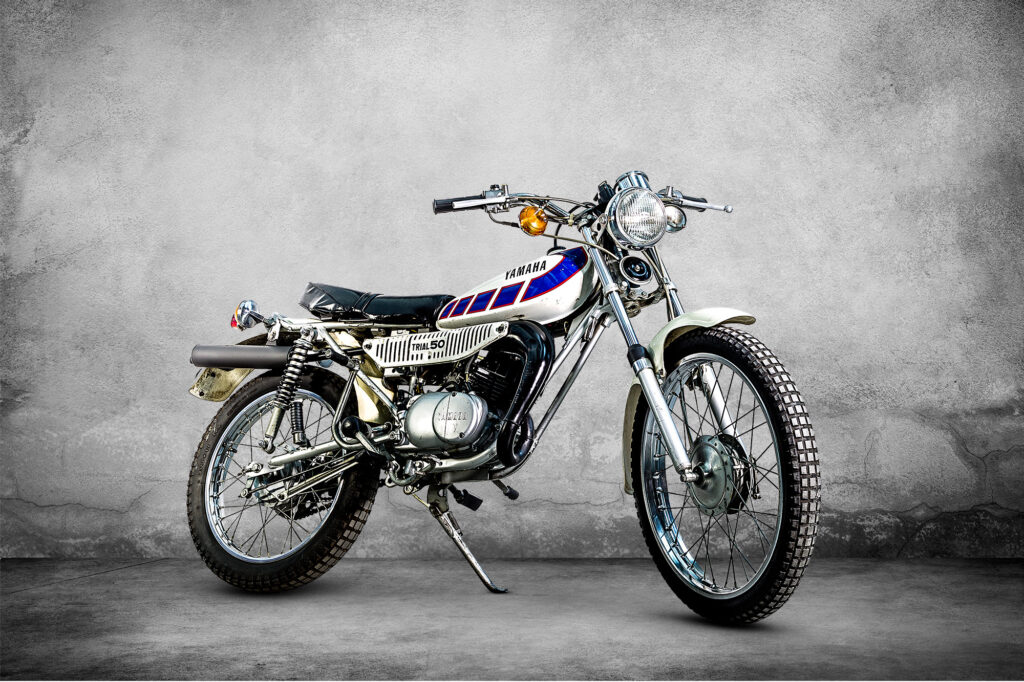
Would you like an example? The Yamaha TY 50, an enduro motorcycle equipped with a 50cc two-stroke engine with new technical solutions usually reserved for its higher-capacity sisters. At that time, the Malossi company was called Casa del Carburatore and was primarily concerned with increasing performance by focusing on the fuel supply.
With the Yamaha TY 50, this approach did not prove to be sufficient, so, thanks to a request from a customer who wanted to combine an oversized engine with a fuel system, Ugo and Sandro Malossi set to work to create what was to become the company’s first complete kit: cylinder, head, piston, exhaust and fuel system.
Vehicles from our corporate history
fantic motard
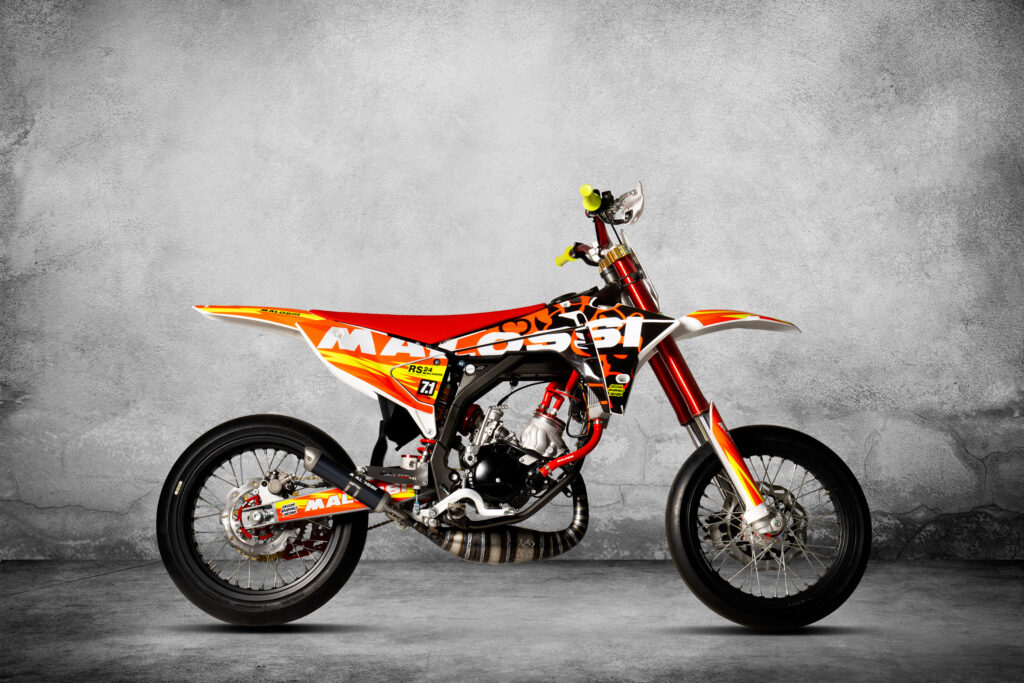
We simply couldn’t allow this machine to remain in its pristine, factory state.
The Fantic Motard was entrusted to our team and has been completely overhauled: performance-tuned with our latest component elaborations, made relentlessly aggressive, and customised with a signature graphic wrapping by Cecchi Design. This project perfectly illustrates how we blend deep technical know-how with unmistakable style. For us, a vehicle’s purpose is not just raw speed; it must possess an undeniable presence. Whether on the circuit or displayed under lights, this Fantic is a vivid expression of Malossi’s creative drive – the constant compulsion to experiment, personalise, and surpass every known limit.
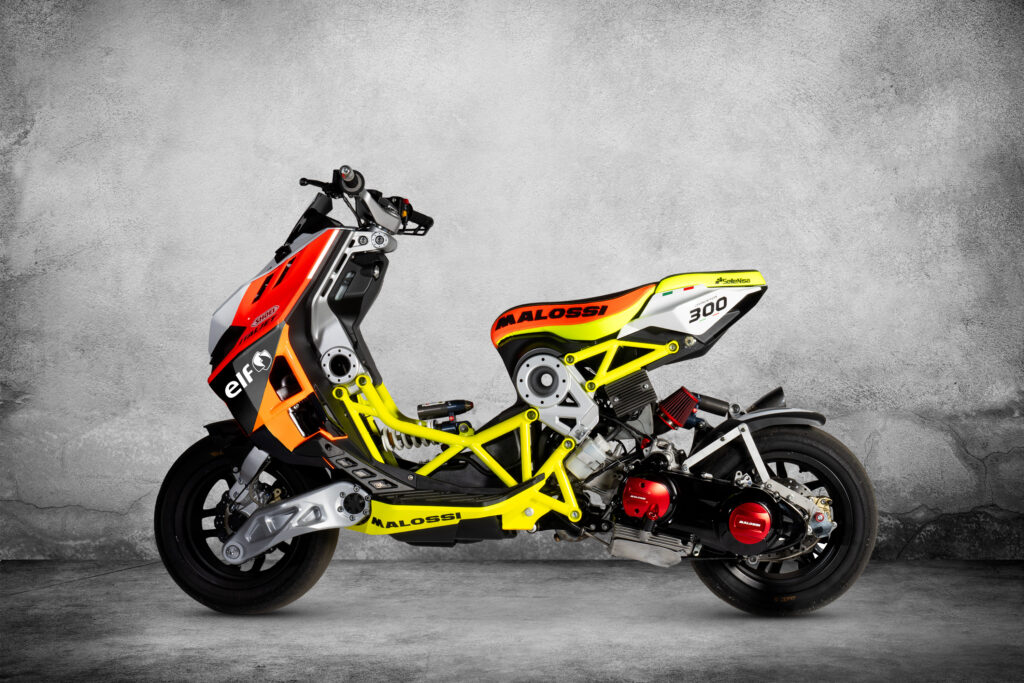
Italjet Dragster 300cc: the Malossi Racing Academy was given a makeover
From an unprecedented partnership with Italjet comes the livery design dedicated to the Malossi Racing Academy project.
Today the historic Bolognese manufacturer supplies the 200cc scooter, which has been equipped with all Malossi components developed specifically for this vehicle. A racy, curious and youthful bolide that lends itself to the target audience, but also to a first approach to the track. Dragsters and their future riders are the protagonists of exclusive episodes on the Trofei Malossi channel
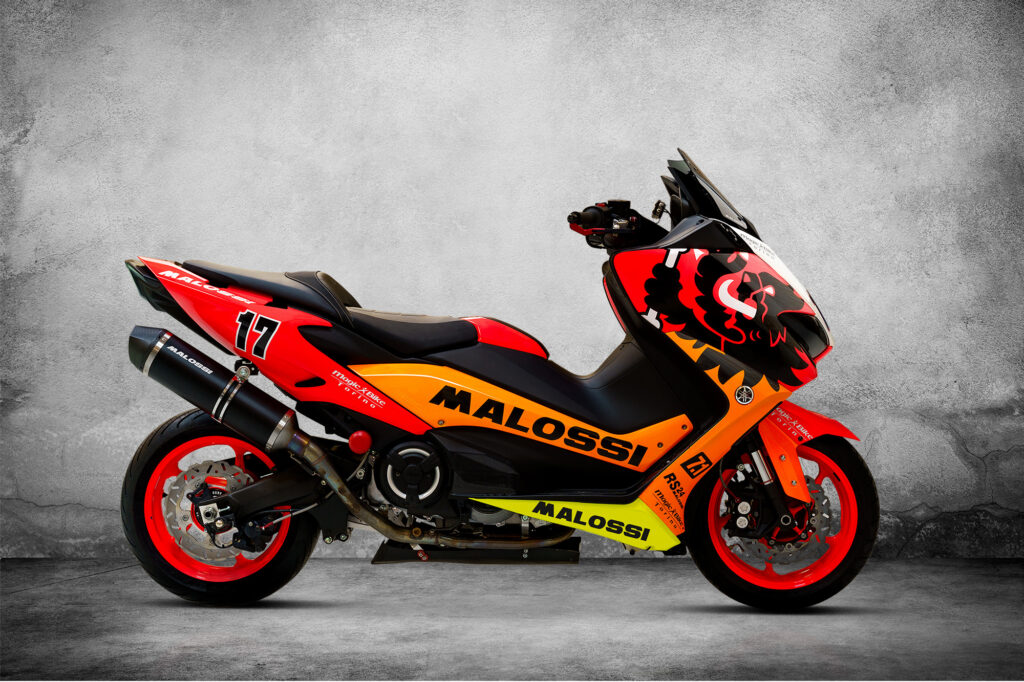
T-Max 560
One of the protagonists of the 2021 Trofei Malossi race:
An experiment in component development within the framework of racing and the T-Max Cup. Special livery design for a unique vehicle, whose potential is expressed by the driving of 3 different personalities, including riders from the world of Italian motorcycling, to complete the development process of Malossi components for Yamaha’s new entry in the best possible way. On our YouTube channel, a dedicated series has been created.
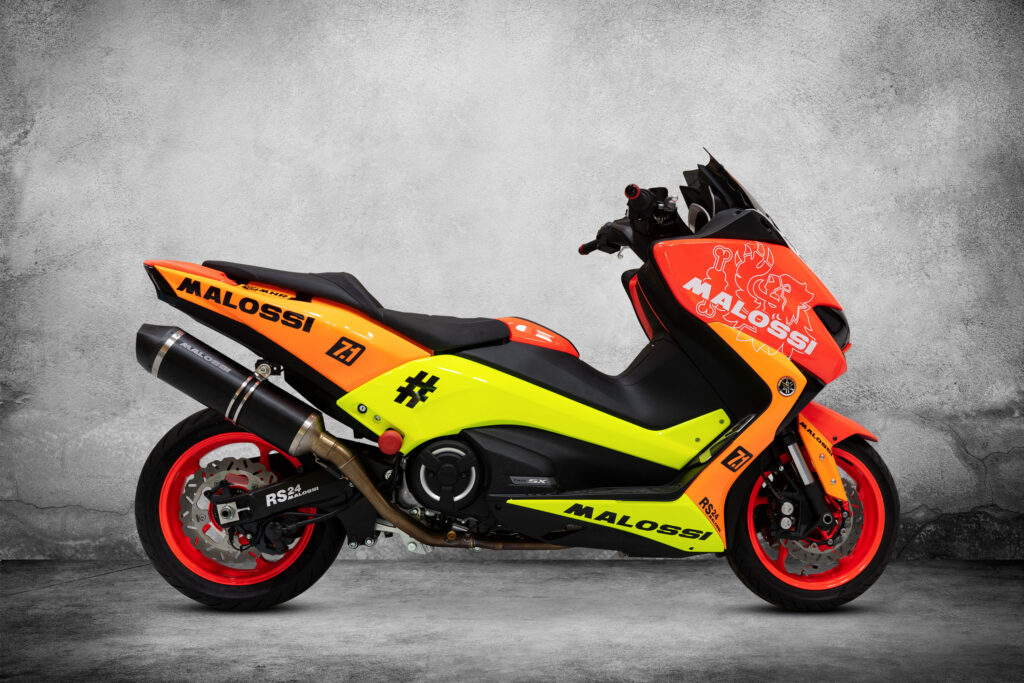
Yamaha T-Max: the king of the maxi-scooters
The most reliable of the T-MAX range
Malossi took the king and gave him the necessary weapons to become the tyrant of the racetrack, boasting a 560cc engine, forged pistons, ultra-light exhaust system and the world’s most famous automatic drive system, the Multivar. Burnouts and wheelies are the most popular way to celebrate a victory in this category where every race crowns the fastest rider, but also the most reliable of the T-Max range.
The T-Max competed in the Trofei Malossi race in the T-Max Cup category
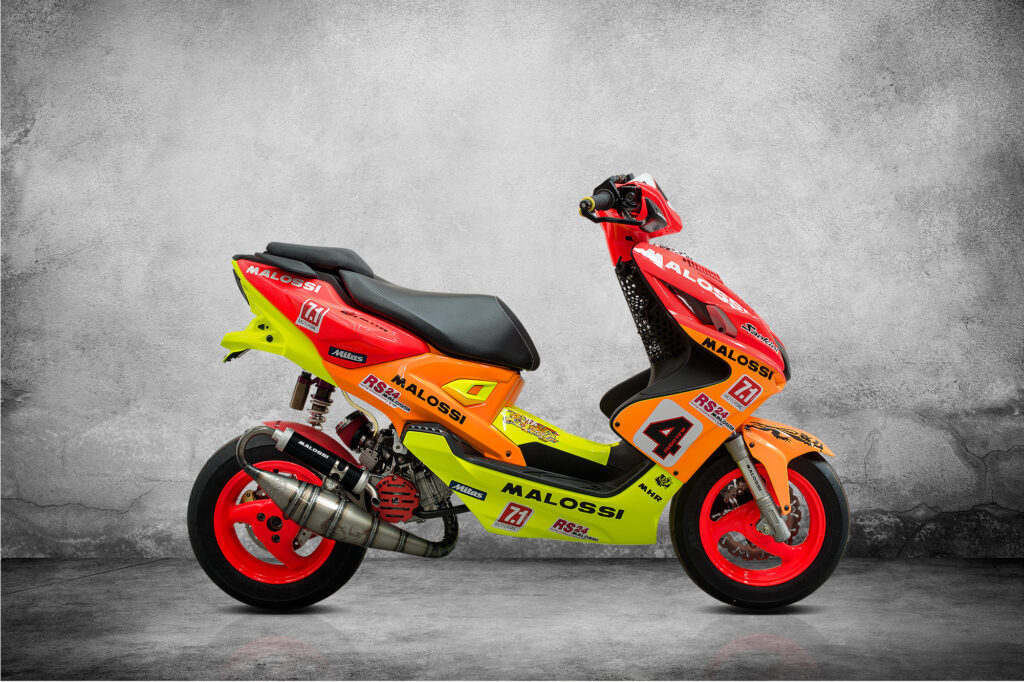
Yamaha Aerox: born to compete
Designed for the road, but born for the racetrack:
At first glance, the Aerox is a scooter with sportier fairings, yet it is a perfect compromise between stability and speed. Malossi decided to adopt it right from the start for both component testing and competition, bringing it to the racetrack with an even more aggressive appearance.
The Aerox competes in the Trofei Malossi race in the Trofeo Nazionale Scooter Velocità category
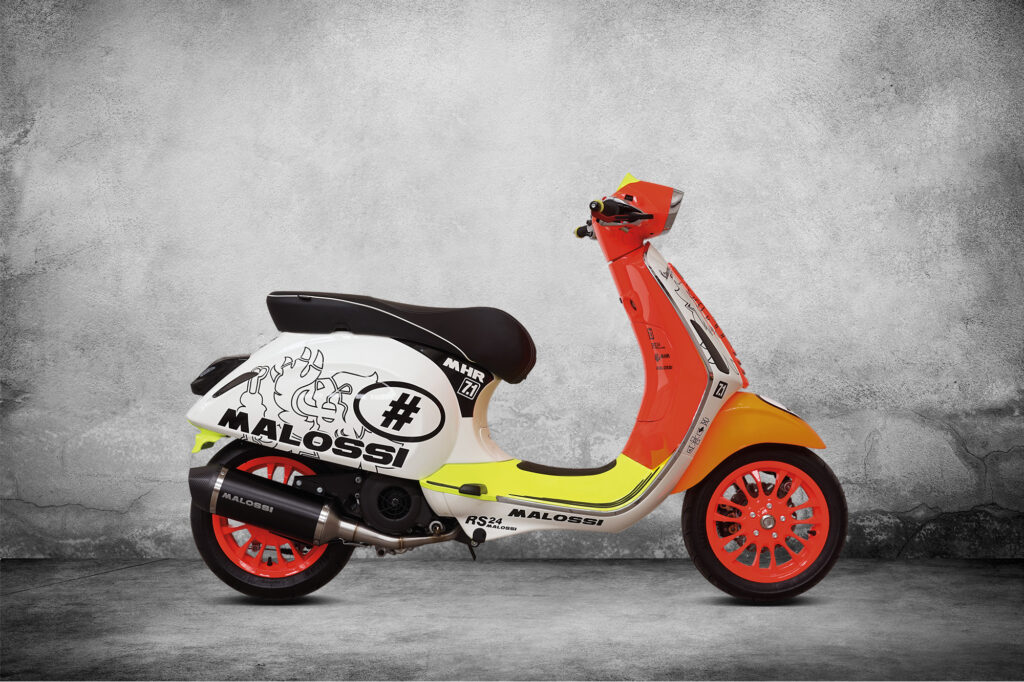
Vespa 125 I-Get: the immortal legend with a plucky style
The vehicle that made entire generations dream and conquered the world,
designed for purely urban environments, it is accessorised by Malossi and shows off all its sporty character. On the racetrack, the Vespa is a real racing animal: equipped and trimmed with yellow, orange and red graphics, the vehicle that made the Tuscan motorbike manufacturer famous in the 1960s proudly flaunts the lion symbol that gives it some horsepower and an even more distinctive style.
The Vespa competed in the Trofei Malossi in the Malossi Racing Academy category.
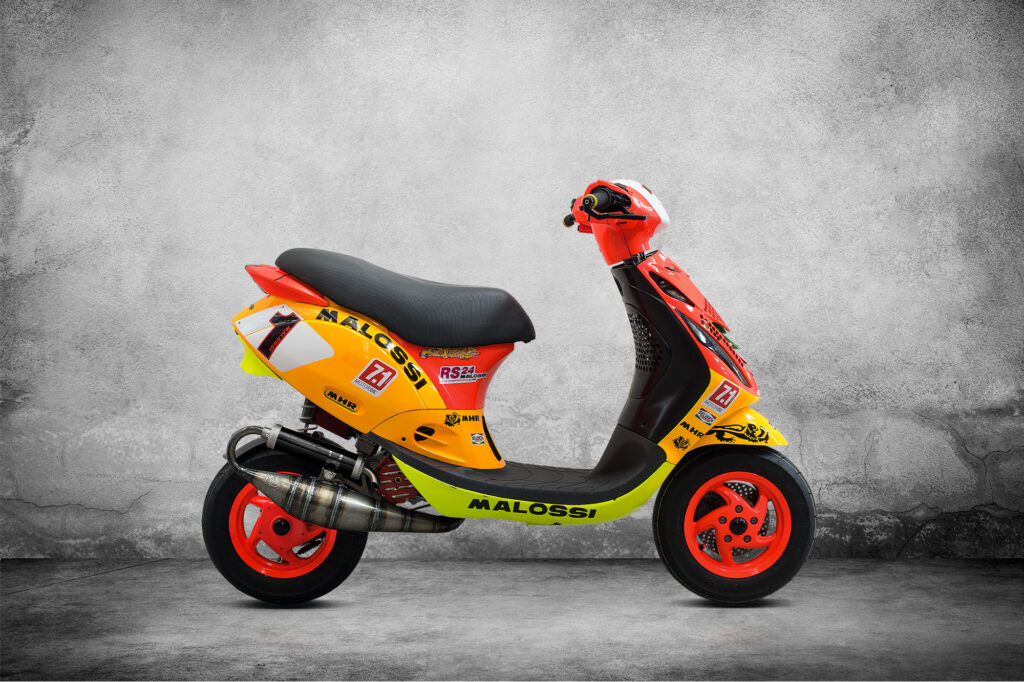
Zip SP: Everyone’s dream dates back to the 1990s
Uncompromising speed and power
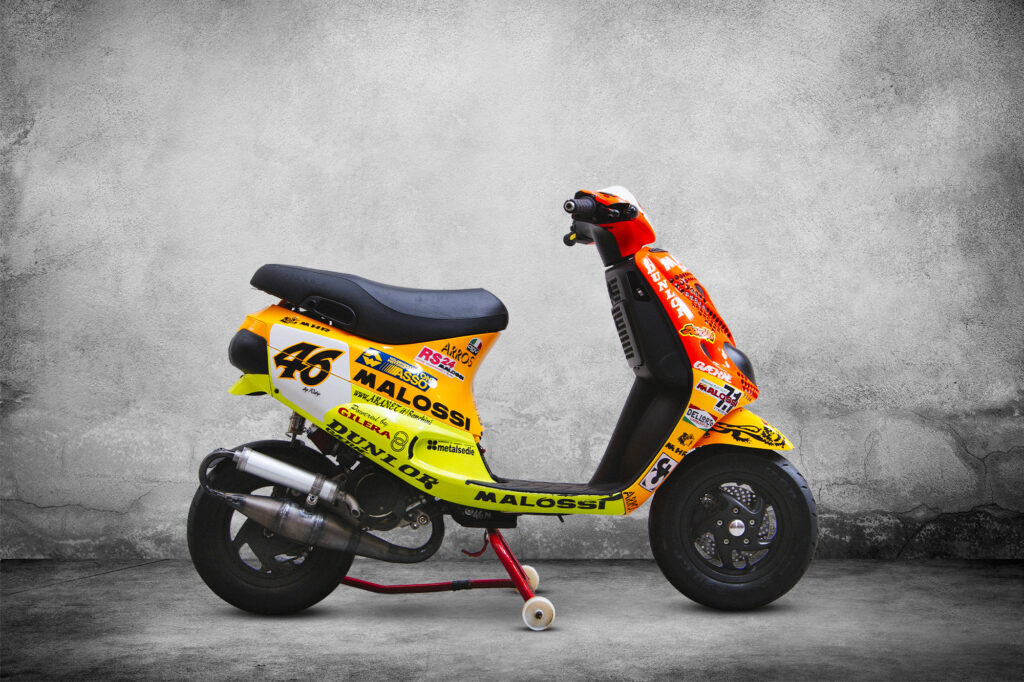
for the iconic scooter that turns into a racing machine thanks to its higher performance MHR components. The Piaggio rocket is tinged with Malossi colours and becomes the spearhead of the Bolognese company’s competitions thanks to its innate sporting spirit. Right from the very start, Malossi decided to focus on this little gem, which, to date, is the two-wheeler with the most components in the range.
The Zip competes in the Trofei Malossi race in the Scootermatic category.
Extra “special” mopeds
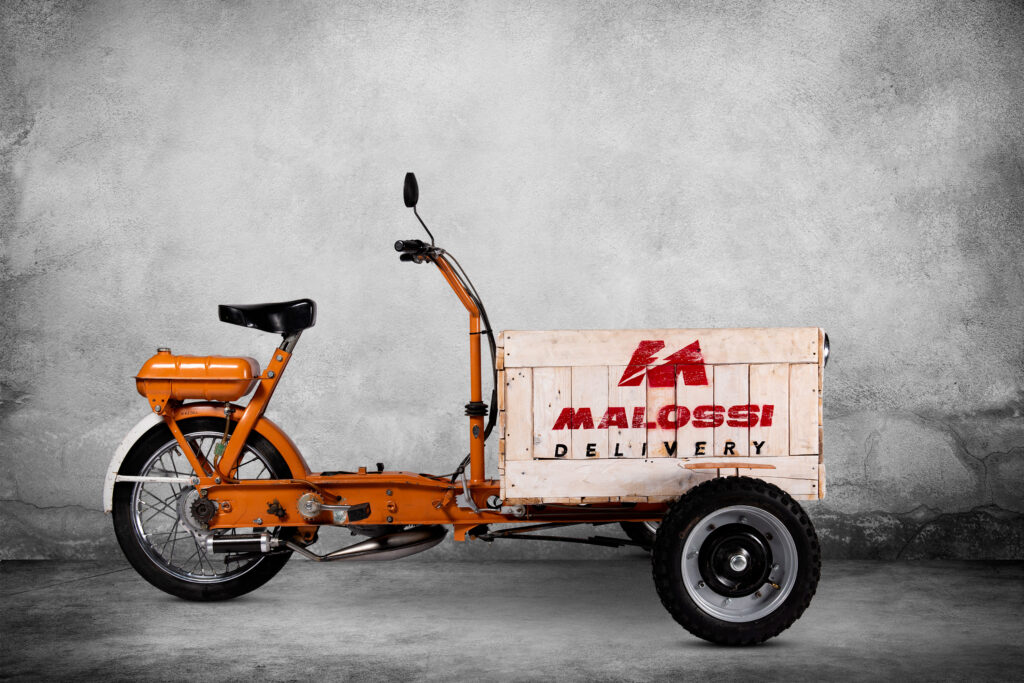
Ciao Porter
The world-famous motorised tricycle
that accompanied Henry Favre on the adventure of the very first Malossi Delivery edition, could he not have mounted our components? A more unique than rare Piaggio three-wheeler, with a pick-up box that was used in the 1970s and 1980s for refuse collection. Henry knew how to give it a new lease of life and make it his loyal ally in the delivery of our components to the 8 participants of the first highly acclaimed web series
Raudo
the Ciao Piaggio with a decidedly racy, eye-catching look.
From the collaboration with Vibrazioni Art Design came Raudo, with a distinctly racy, eye-catching look. Unveiled at the 2019 Wild Days, the vehicle redeemed the essence of one of Piaggio’s best-loved and most collected mopeds. The low handlebars and sporty set-up are enhanced by Malossi components, which turn it into a veritable rocket.
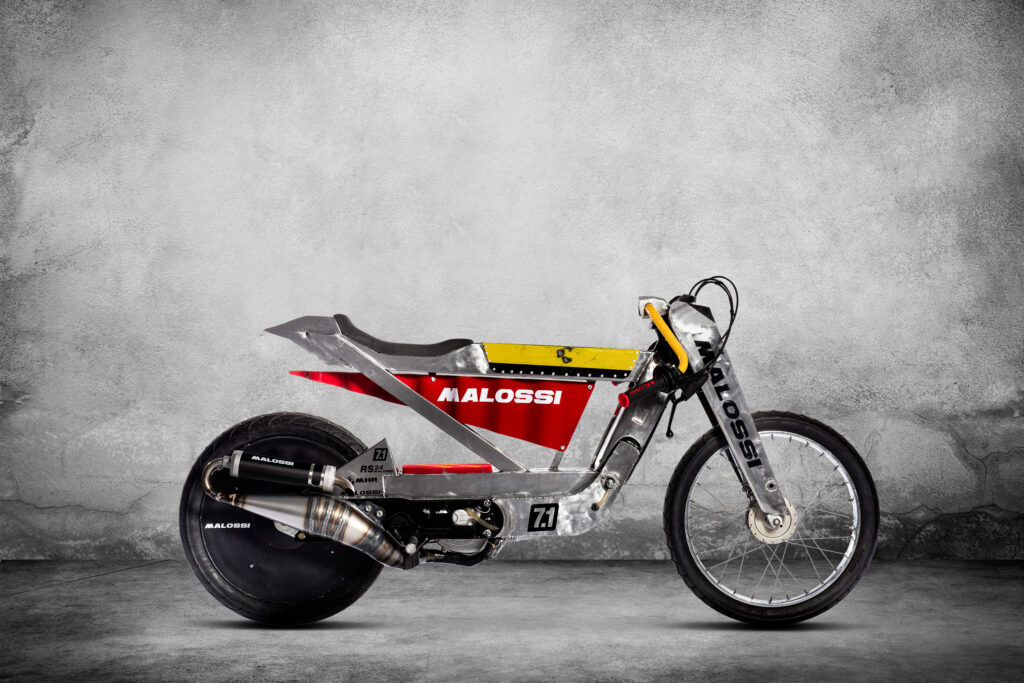

Mini Cicciolo
A Peugeot 103 with a sheet-metal bin frame and a revamped configuration, once again by our friends at Vibrazioni.
The moped, a result of the French fashion of the 1980s, elaborated with a motocross-style handlebar, was exhibited at the Varano de’ Melegari Autodrome during the Wild Days event held in 2019. The off-road version of the moped expresses the flair and power of the two companies at the highest level.
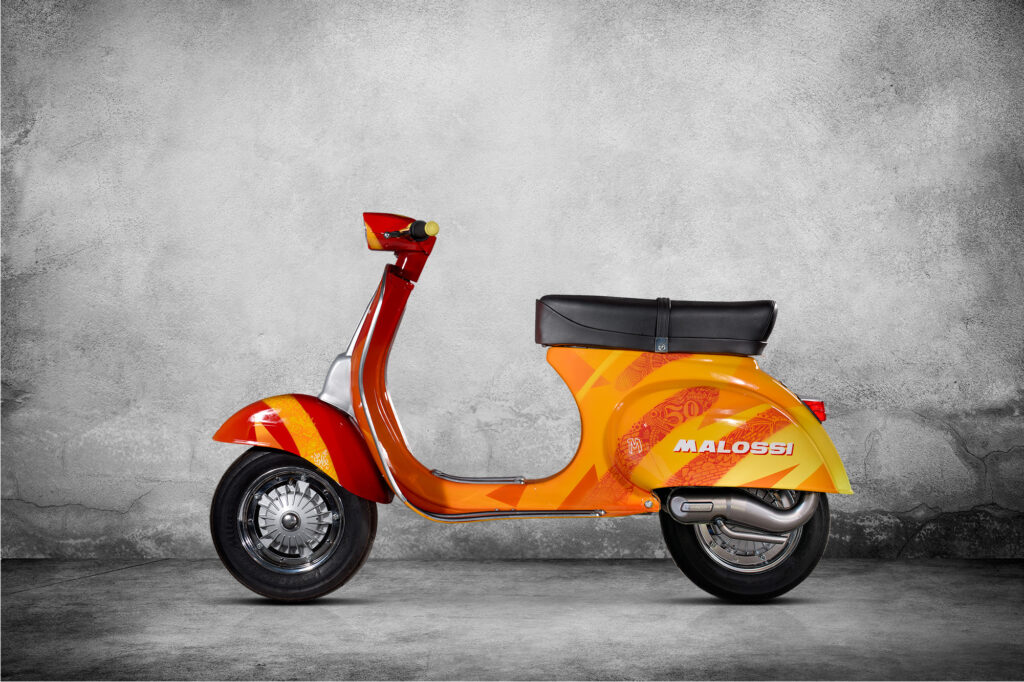
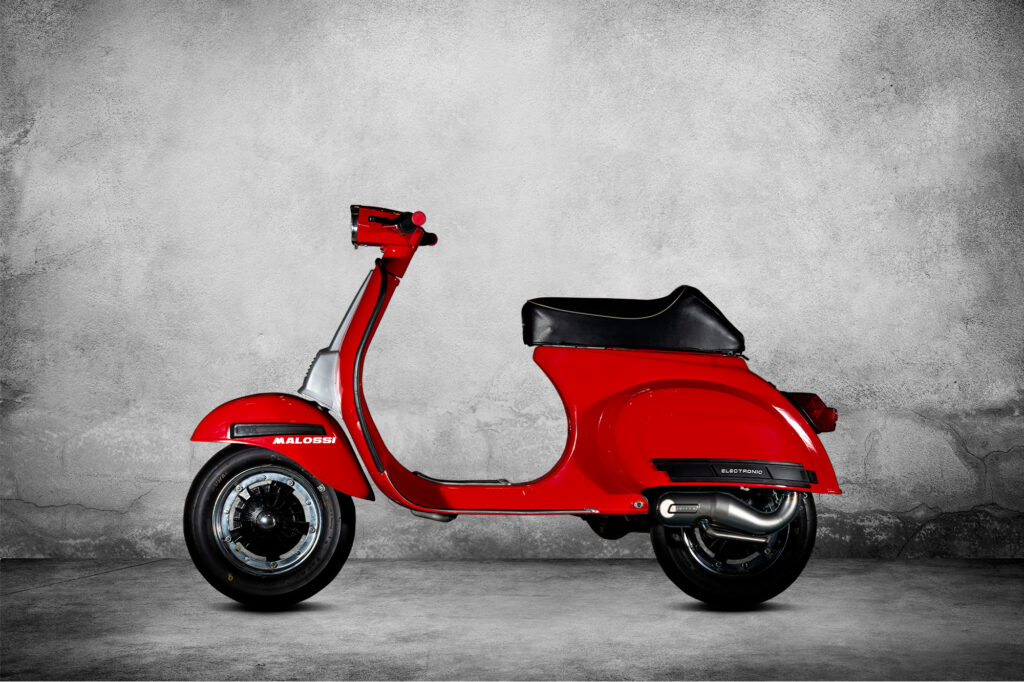
Vespa Special 50
The most iconic vehicle in the history of the 70s and 80s became world famous,
and we celebrated it with a unique livery design , displaying it on the Malossi stand at the 2018 Eicma exhibition. Malossi, which has produced countless components for the Pontedera-based company’s cult vehicle over the years, has entrusted Michele ‘Enko’ with the creation of this unique vehicle, which is currently on display in the company hall.