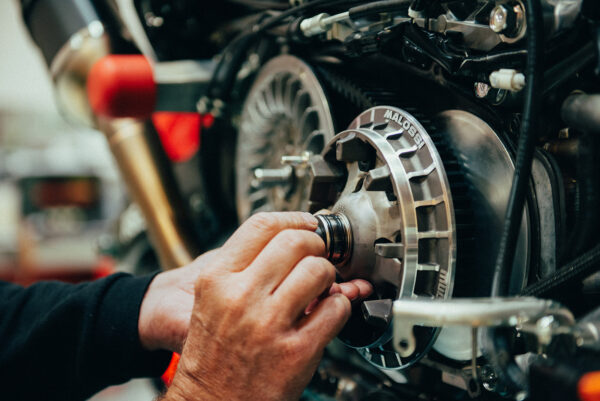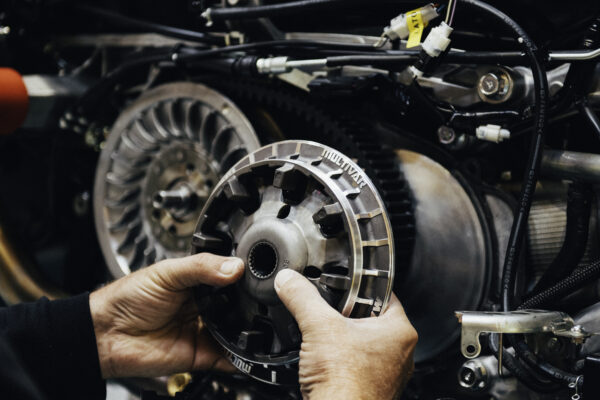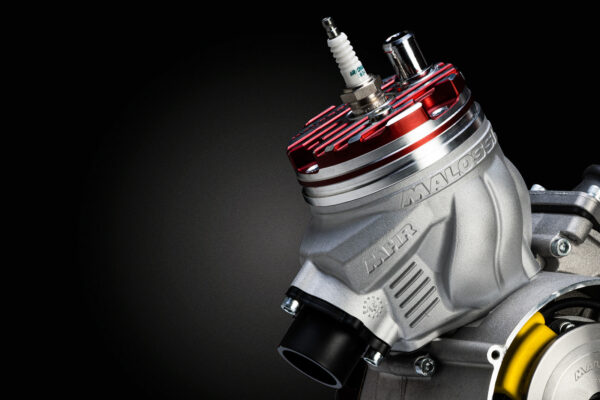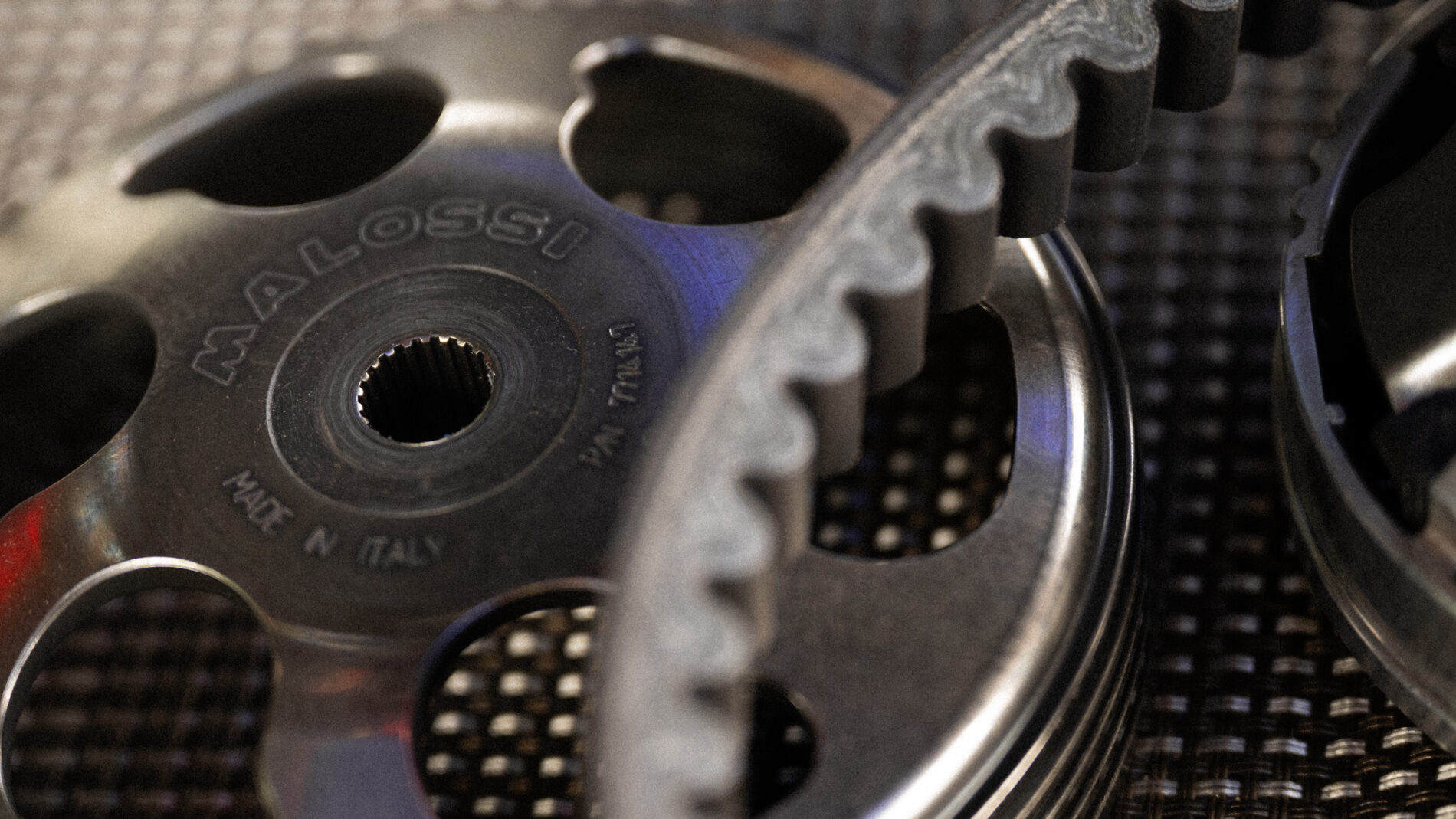
Every time you accelerate, a spectacle unfolds beneath your scooter that you will never see, yet it can completely change your ride. Picture this: two trapeze artists launching themselves into the void thousands of times a minute – catching each other, letting go, and catching each other again. One is the variator at the front, attached to the engine; the other is the torque driver at the back, on the wheel. In the middle, stretched tight between them, flies the drive belt. As long as the two move together, the act goes so beautifully you won’t even notice it: you just open the throttle and go. However, if one of them jumps out of time, it’s the belt that pays the price and “falls”.
You see, Andrea Malossi loves explaining mechanics using metaphors everyone can understand. After all, he knows every rope and safety net of this beautiful circus. That’s exactly how he explained transmission to us, and now, we’re sharing the story with you.
The show
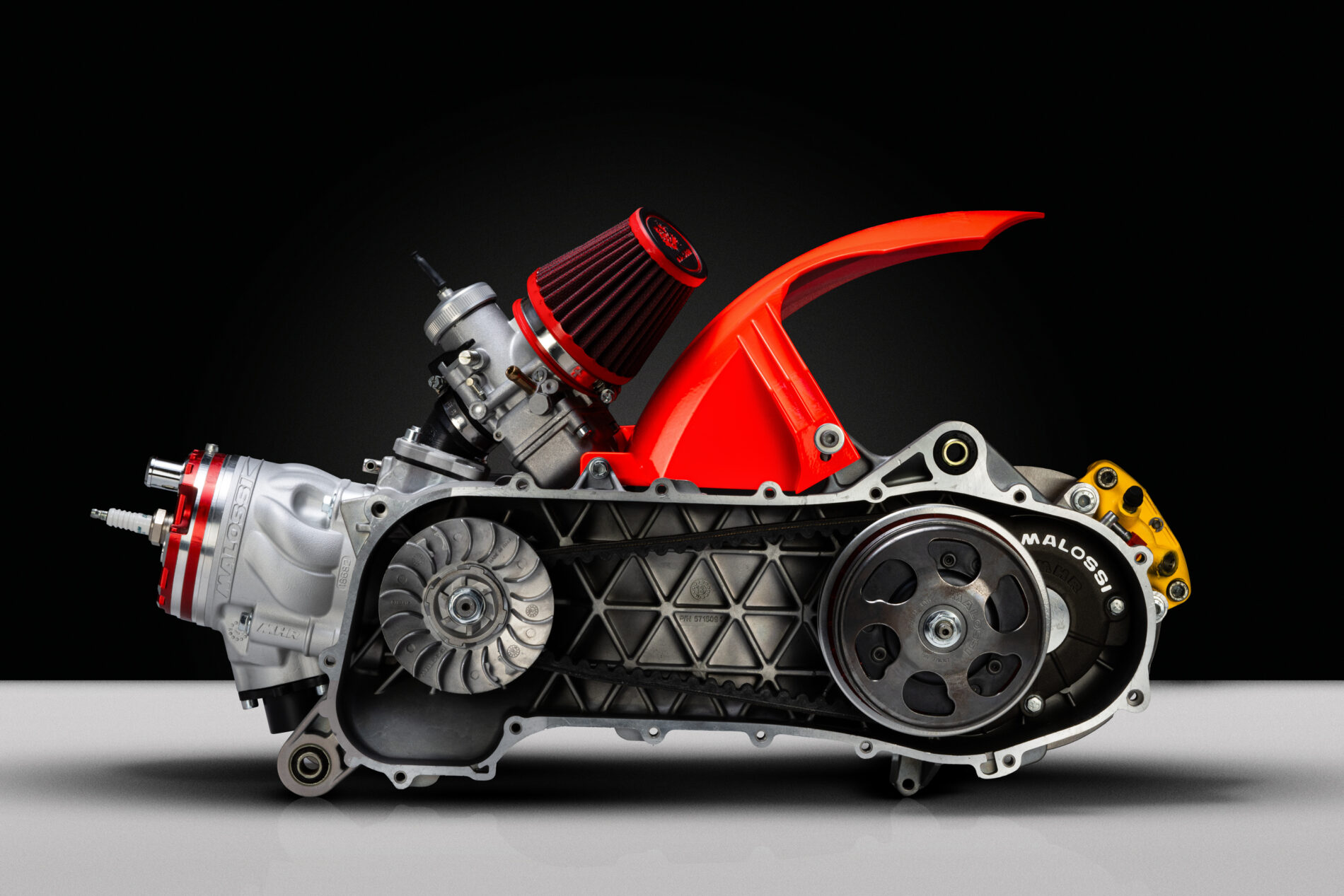
In the transmission of an automatic scooter, there are five artists on the track.
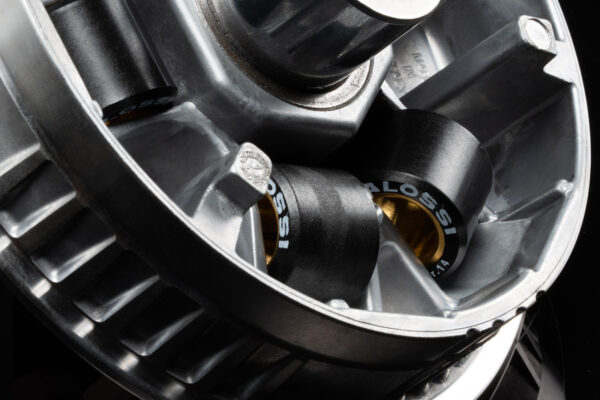
- The variator is the active part, the one in control: inside, the rollers are at work, pushed outwards by centrifugal force.
- At the back is the torque driver – two pulleys with a spring that yields when the front needs to expand.
- Between them dances the drive belt, squeezed between the pulley faces and tasked with transferring power from the crankshaft to the wheel.
- Then there’s the centrifugal clutch, which uncouples you from the tarmac when you’re stationary and launches you through those first few metres.
- Finally, there are the gears – the final drive.
When we work on the whole system, the variator’s travel increases. More specifically, you gain an extra gear: a shorter one at the start for a launch that pins you to the seat, and a taller one at the top end to let the engine breathe and build up speed. In a car, it would be like going from five gears to seven. On a scooter – which has no gears at all – the effect is even stranger because you can neither see nor shift them, yet you can feel each and every single one of them.
Uncoordinated trapeze artists
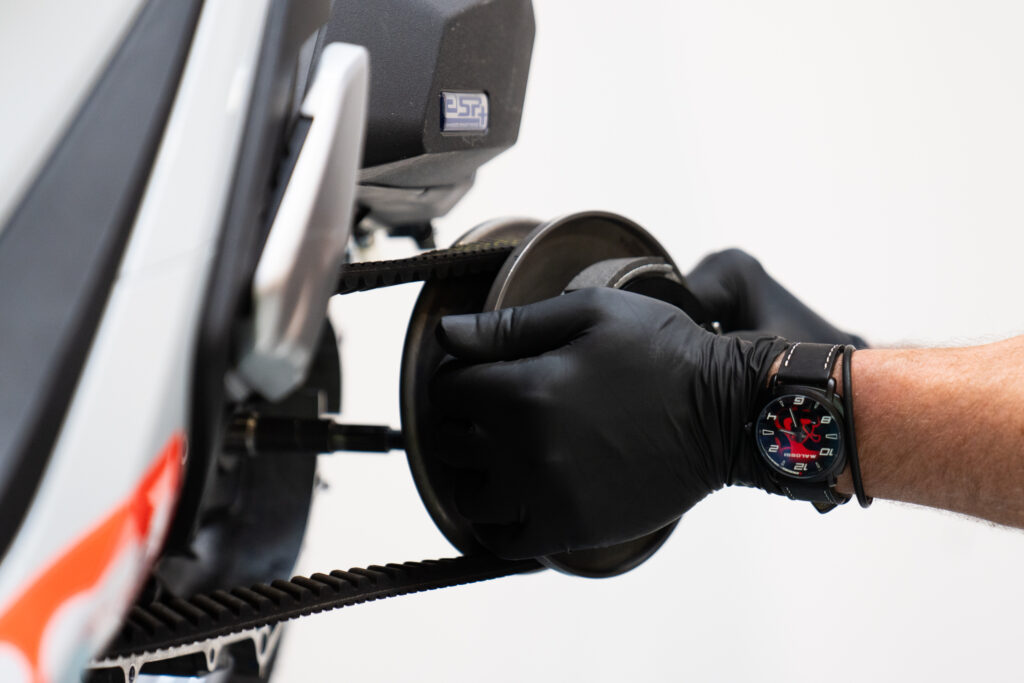
Coordination is vital in every performance. When it comes to the transmission, the trouble starts if you decide to change just one performer and leave the rest as they are. For instance, if you fit a more aggressive variator at the front but the rear doesn’t have the room to yield, the drive belt in the middle stretches to breaking point. One expands, the other clamps down, and the belt pays the price for everyone.
That’s what happens with DIY cocktails, mixing a racing component with everyday road parts, or pairing an upgraded part with standard originals without having a clear view of the entire ecosystem. Yet here, the damage doesn’t just leave a bad taste in your mouth. It leaves a dent in your wallet.
Transmission myths busted
There are a few misconceptions out there about transmissions, first and foremost the idea that by changing the clutch can actually gain you power. It simply doesn’t work that way. The clutch uncouples the engine from the wheels – so how could it possibly add extra speed all on its own?
The second myth to be debunked centres on variator rollers: the idea that heavy rollers increase top speed, while light ones boost acceleration: false. When the tuning is spot on, you get the absolute best of both worlds – maximum acceleration and top speed. Rollers that are too light are like constantly revving out first gear on a motorbike: you look like a rocket off the line, but as soon as the next rider shifts into second, they’ll wave goodbye and leave you in their dust. On the flip side, rollers that are too heavy are like trying to ride around permanently in sixth gear: you’ll move, but you completely lose your launch. If you’re blaming the rollers – and we say this with affection – chances are you just haven’t tuned them properly. Mind you, we completely get it. Tuning must be done in stages: you test the scooter, take notes, and make another small tweak until you hit the sweet spot. Not everyone wants to spend their afternoons locked away in the garage. But if you jump straight from four to eight grams, you risk missing everything in between – and that middle ground is usually where the magic happens.
What’s more, beware of anyone claiming to have a secret formula that works for everyone. As we’ve said, the transmission is an ecosystem made up of many different performers: you have to find the right harmony, respecting the condition and characteristics of every single component you’ve fitted.
Racing on a knife-edge: the half-gram difference
The variator isn’t electronic. It’s pure mechanics, springs and rollers, and every single component has its own tolerance. The drive belt runs along two surfaces angled at 30° and lives on grip – just like tyres in MotoGP, where a shift in conditions completely changes performance. On the track, tuning comes down to a mere half-gram per roller. It goes without saying that across an eight-lap stint, you have to play the averages, factoring in your race strategy and the way the system settles as it runs, much like a tyre warming up to temperature.
Back in the days of our official factory teams, three riders on the exact same bike would perform best with three slightly different roller setups. Flattening everything out with a one-size-fits-all approach would have meant missing out on peak performance. It all comes down to experience, meticulous attention to detail, and lessons learnt from the races we lost.
The beauty of it is that our racing components are identical to the ones you find in the catalogue: same materials, same rollers, same hub. Only the tuning changes, because on the track you squeeze out every last drop over thirty laps, whereas on the road you need to make it – at the very least – to the next service, and ideally for the lifetime of the scooter. When it comes to the transmission, urban riding is actually brutal compared to the racetrack. A clutch that could survive ten championships on the track can melt down in a matter of weeks in stop-start traffic. It engages, disengages, engages again, generating friction every single time – and often in temperatures far worse than anything seen on the circuit. Before long, it’ll be smoking, smelling of burning, and begging for mercy.
We’re sprinters too, always ahead of the curve
What about the future? Electronic variators have been around for fifteen years. Honda, Piaggio, and Suzuki all gave it a shot, but costs, maintenance, and a lukewarm reception from the public eventually forced manufacturers to put their electronic dreams back on the shelf. Every now and then, someone else tries to reinvent the wheel, and now we’ll have to wait and see what Chinese manufacturers come up with next. As for us, we’re watching closely, like sentinel guards. Every new vehicle that hits the market lands straight on our radar, and every single product in our range – even the ones that have been around for twenty years – is constantly updated with modern technology. Our big advantage is having our own in-house production lines right here in Calderara di Reno. When manufacturers launch something new, our journey from prototype to finished product is incredibly short. And that’s exactly how we ensure our trapeze performers are never left without a safety net.
Meanwhile, your scooter keeps putting on a show at every green light. You still won’t be able to see the transmission at work, but now you know exactly who to thank when the trick comes off perfectly.
Title: The transmission: what it is and how it works
Description: What is the transmission and what are its components? Will changing the clutch make you go faster? Find the answers to these questions and more right here. a ogni semaforo verde: tu continuerai a non vederlo, ma ora sai chi ringraziare quando il numero riesce.