Servicing your scooter, moped, or motorbike is one of those tasks that many tend to put off. This often happens out of laziness, or because “it’s running fine anyway”; yet, it is precisely while everything is still working that you need to intervene to avoid being left stranded.
Servicing is not just a formality limited to the duration of the vehicle or component warranty; it is the most effective way to keep your scooter functional, reliable, high-performing, and safe. No, it doesn’t really matter whether you use it every day or just whenever the mood strikes (even though mileage plays a key role in defining when to do it): servicing must be done punctually to avoid nasty surprises.
What is servicing
Servicing refers to a set of scheduled checks and interventions designed to verify the actual condition of your vehicle. It is not just about changing the oil, as is often thought, but rather taking a complete “snapshot” of every component working for you.
During a service, the oil and filters are normally checked and replaced if necessary; the transmission is inspected, with particular attention paid to the belt, variator, and clutch – as well as the brakes, fasteners, wear-and-tear components, and the overall condition of the vehicle are all verified. It is the moment when small signs emerge which, if ignored, could turn into serious problems.
How often should you have your vehicle serviced?
There is no “one-size-fits-all” answer, as much depends on how you use your vehicle. Generally speaking, the first servicing carried out following the running-in period is vital; its purpose is to remove tiny metal burrs and ensure that everything is working correctly. At this stage of your scooter’s life, servicing is both convenient and essential because the vehicle is still under warranty. If any components are found to be underperforming, prematurely worn, or defective, they can be replaced at no extra cost.
Subsequent servicing should be scheduled based on mileage or the intervals specified by the manufacturer. Remember that every manufacturer, whether of vehicles or aftermarket components, establishes specific maintenance intervals based on the engine’s design and intended use. The people who designed the vehicle or its parts know the critical points, materials, and tolerance levels best. If you want your moped to run at its peak and keep the fun going, follow the timings indicated in the owner’s manual and you won’t have any issues.
Why you should have your scooter serviced
A well-serviced vehicle is simply more enjoyable to ride. The throttle response is smoother, the transmission performs better, fuel consumption stabilises, and the engine runs clean and sweet. When the oil, filters, and components are in good order, everything works in harmony. Conversely, neglected maintenance leads to a gradual drop in performance, often imperceptible at first, but significant over time. Servicing is what allows you to maintain the performance levels your scooter was designed for.
Beyond maintaining high performance, regular servicing provides peace of mind by making your vehicle safer. During a service, fundamental elements such as the braking system, steering, wheel bearings, and the condition of the transmission are all verified. A worn belt, inefficient brakes, or loose parts can alter the vehicle’s handling at the worst possible moment. Servicing reduces these risks because it intercepts problems before they manifest on the road.
How to service your vehicle, step-by-step
Servicing typically involves checking specific parts of the vehicle. Even if you take it to a professional workshop, knowing how the process works helps you understand exactly what is being done to your ride and why every single step is vital.
Checking and changing the oil
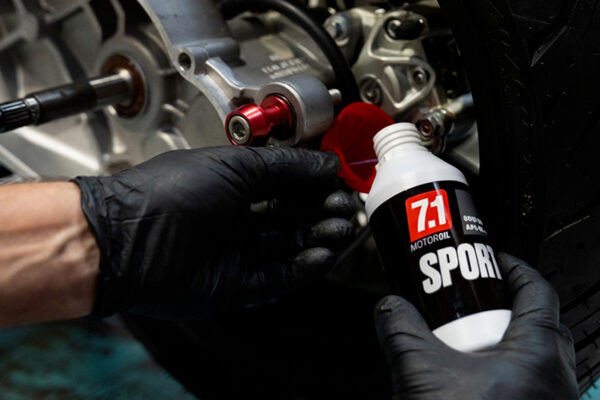
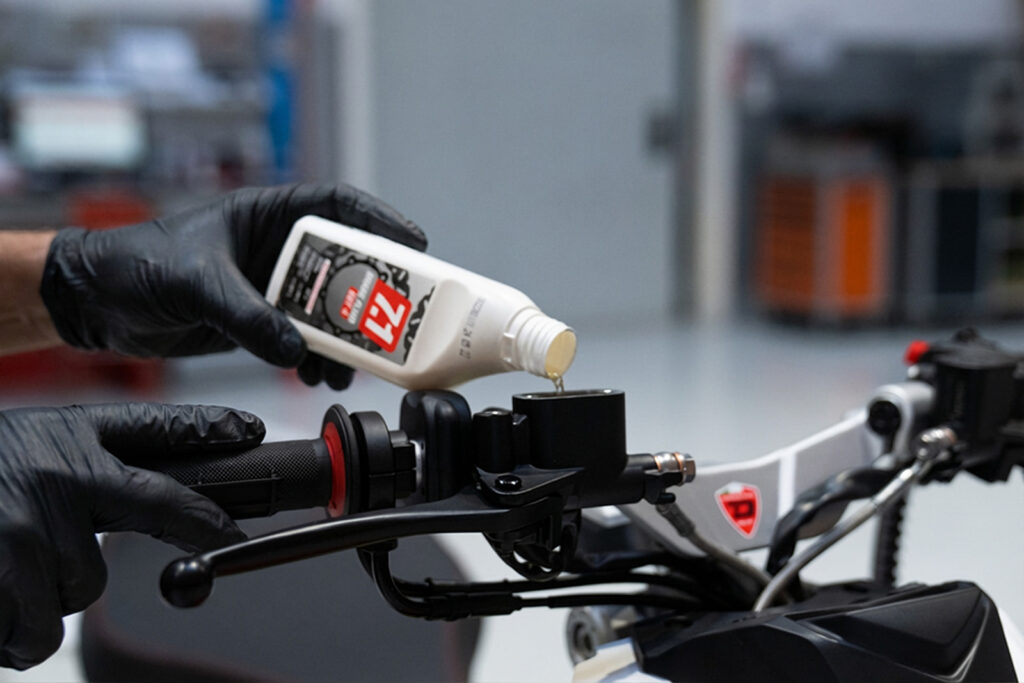
The process always starts with the oil, as it is what protects the engine from wear. During servicing, the oil is replaced, and checks are made to ensure there are no unusual residues or suspicious smells. Old or degraded oil loses its lubricating and cooling properties, directly affecting both performance and reliability. Remember, waste oil must never be poured down a drain; it must be taken to a recycling centre or a designated collection point for proper disposal.
Inspecting and replacing the filters
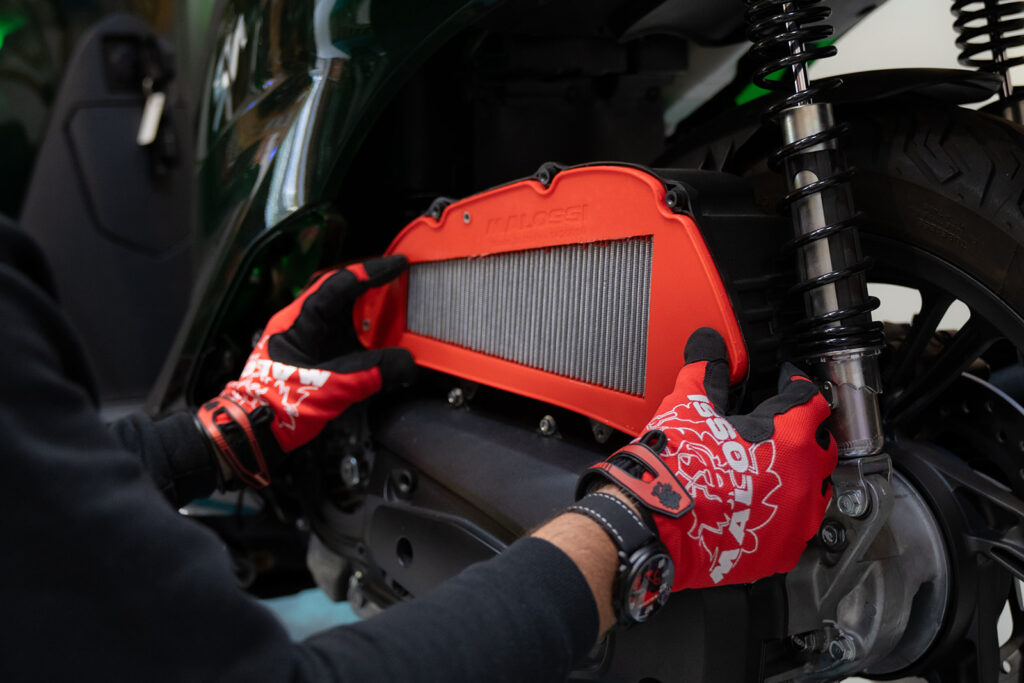
The air filter and, where applicable, the oil filter are inspected and either cleaned or replaced. A dirty filter restricts the proper airflow or the cleanliness of the lubricant, forcing the engine to run in sub-optimal conditions. This is a matter of simple, routine maintenance much like cleaning a Red Sponge filter element.

Transmission check
The belt, variator and clutch are among the most stressed components, especially on scooters. During a service, they are inspected for wear, smoothness and any signs of play or unusual marks. A well-maintained transmission ensures smooth starts and consistent response, and here, the belt deserves particular attention. Even when it appears to be in good condition at first glance, it may have aged and lost its elasticity. For this reason, it must be replaced at the intervals specified by the manufacturer, not simply “when it looks worn”. A belt that snaps suddenly will leave you stranded, often at the worst possible moment.
Inspection of the braking system
Brake pads (or shoes), discs, fluid levels and conditions, as well as brake lines, are all inspected during a scooter service. Efficient brakes are a matter of both safety and riding feel. A neglected system can increase stopping distances and compromise your control over the vehicle.
Checking fasteners and components subject to wear-and-tear
Bolts, brackets, pins, mounts, and parts subjected to vibration must be checked to ensure that everything is securely fastened. This step often goes unnoticed, but it is essential for preventing noise, vibrations, and structural issues over time.
During a service, remember to also take a look at the spark plug; while it doesn’t necessarily need replacing every time, it should be checked periodically. Its condition tells you if the engine is running correctly, and replacing it when needed ensures your scooter starts on the first attempt, while also optimising combustion and fuel efficiency.
General vehicle inspection
Servicing concludes with a comprehensive check: the functionality of the lights, the condition and pressure of the tyres, the controls, and the overall response of the vehicle. This is the moment to assess whether everything is working consistently and if any future or further interventions are required.
Winter breaks and pauses of inactivity: what to do
If your vehicle remains stationary for a prolonged period, such as during the winter, there are a few simple steps you can take to look after your scooter. The battery is the component that suffers the most from inactivity; it is good practice to keep it charged or use a trickle charger, as a battery that drops below a certain voltage threshold often never recovers.
Does your scooter have a side stand? If you are leaving it parked for several weeks, opt for the centre stand to lift the wheels off the ground; this will help your tyres last longer. Consider having your vehicle serviced when you are ready to get back on the road. The arrival of spring is the perfect time for servicing.
DIY or professional workshop servicing?
If you are handy with tools and have the right skills and equipment, you can carry out some routine maintenance tasks in your own garage. However, there are operations that require experience, specific tools, and technical expertise. In these cases, the best choice is to head to a workshop, which guarantees thorough checks and correctly executed repairs.
Servicing your vehicle means taking care of it in a conscious way. It saves you from headaches, extends the life of your components, and allows you to ride with greater peace of mind. Above all, it ensures you can keep having fun without any worries. A vehicle that is consistently maintained responds better, lasts longer, and stays reliable without letting you down.