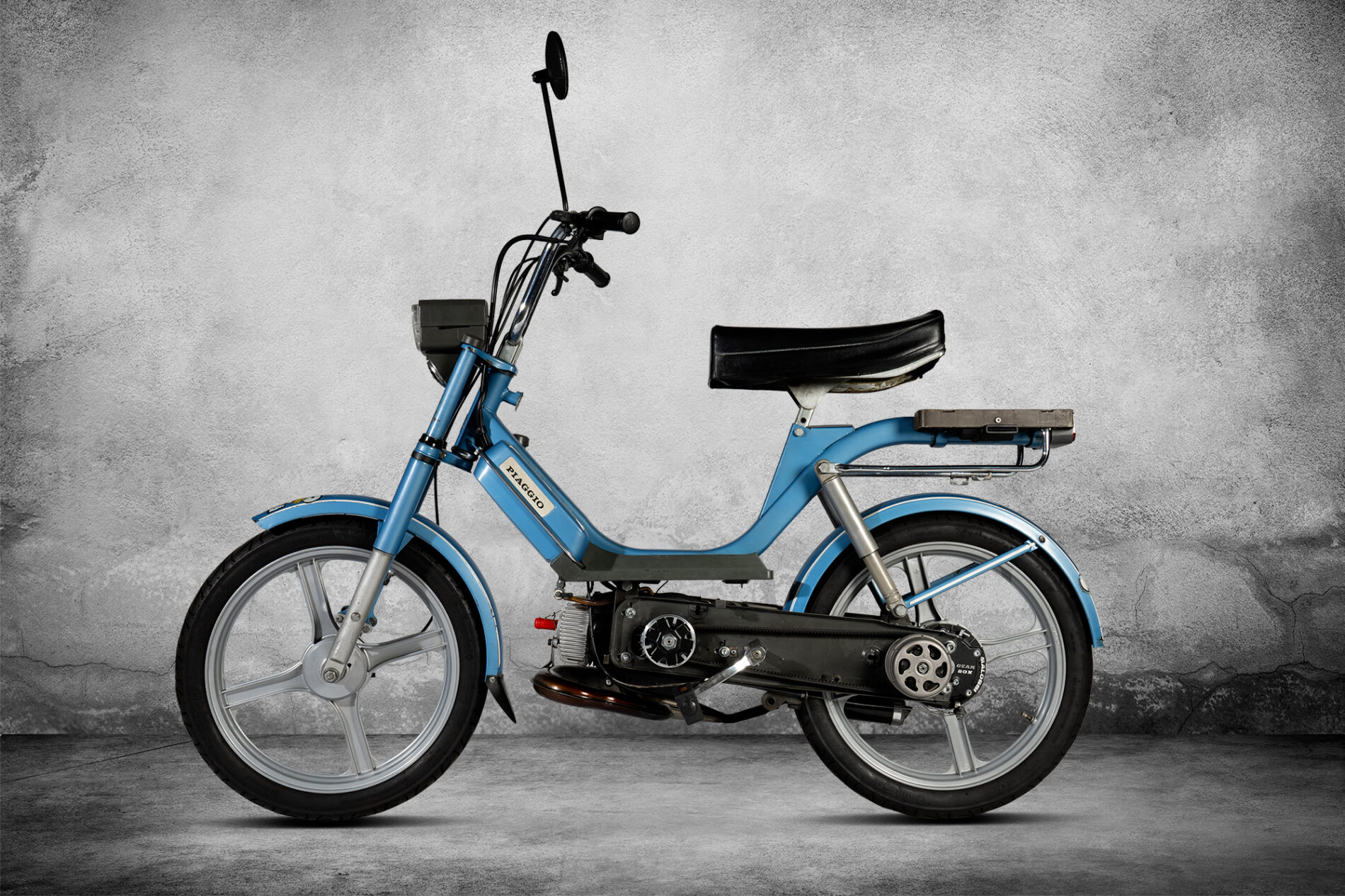
Before the era of maxi-scooters, apps, and navigation systems, there was the moped.
There were lightweight two-wheelers, a throaty motor, and the simple freedom to ride anywhere on a cheap tank of fuel. Ciao, Bravo, Sì, Boxer, and Grillo are names that still make those who rode them during the Moped Golden Era smile, and they certainly make the eyes of us here at Malossi shine, too.
Mopeds — and especially Piaggio mopeds — are a crucial chapter in our story. They served as the ultimate testing ground, allowing entire generations to master tuning, learn the pleasure of getting their hands on an engine, and wring out every last ounce of performance.
Who were the Moped Lovers and why they loved them
It was primarily us Italians, the Dutch, and the French who truly appreciated these vehicles, which spread across the continent with huge success. The term ‘moped’ originated in Sweden in the late 1950s, a portmanteau of the words ‘motor’ and ‘pedal’.
The success of these bikes is easily explained: after World War II, all of Europe had little money but a strong desire to get moving again. The need was for a vehicle that was affordable, simple to use, and accessible to everyone. That’s how these little motorised bikes were born: light, reliable, and with ridiculous fuel economy, they carried students, factory workers, and housewives wherever they needed to go. It just took a pedal stroke to start the engine, they cost little, and they could be fixed with a couple of tools and a healthy dose of ingenuity.While mopeds took hold for highly practical reasons in the immediate post-war period, they remained through the economic boom, becoming the trusted companions of young people, always ready to give them countless tastes of pure freedom.
Motorised Bicycles: The moped’s direct ancestors
In the 1940s, while money was scarce, bicycles were the most ubiquitous means of transport. It was present in every family. This ubiquity naturally led to one question: “What if we fitted a small engine to the bike?” This spurred the development of auxiliary engines – small power units designed to attach directly to the frame or the wheel, converting simple pedaling into mechanical thrust. With the plentiful ingenuity of the era, the goal was to transform a two-wheeler into a machine capable of covering significant distances effortlessly. This innovation gave rise to pioneers such as the French VéloSoleX micromotor, renowned for its engine placement over the front wheel and roller transmission. It may have been slow, noisy, and basic, but it reliably carried riders everywhere with minimal fuel. Little did the VéloSoleX and its contemporaries know – such as the Garelli Mosquito and the Ducati Cucciolo – they paved the way for the massive moped boom that raged across Europe just a few years later.
Piaggio mopeds conquer the world
In the mid-1960s, Piaggio seized the moment. They understood that an engine simply ‘coupled up to a bicycle’ was no longer enough; the market demanded a vehicle engineered from the start to be motorised.This led to the birth of the first mopeds as we know them today, featuring a reinforced frame, an integrated engine, and modern lines. They remained light, simple, and fuel-efficient, but they offered more comfort, greater reliability, and, most importantly, their own distinctive aesthetic, a far cry from the improvised look of motorised bicycles.
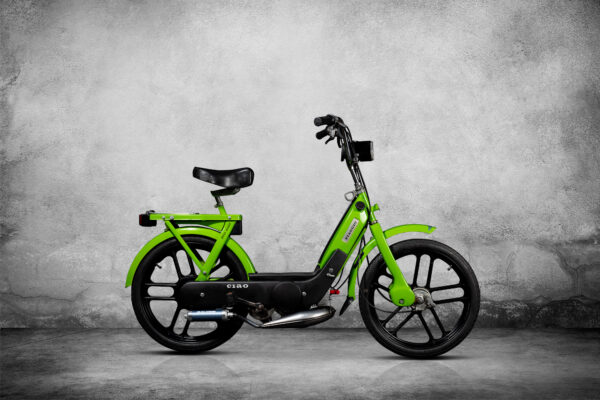
The Ciao was only the beginning. It was the very first Piaggio moped and together with subsequent models, it marked the start of a new era: vehicles that were easy to ride, featuring a pedal crank for starting the engine — and for pedaling when you ran out of gas — along with a more youthful design. Crucially, these 50cc bikes could be ridden by minors without a license, registration, or insurance. The moped thus became a status symbol and the inseparable two-wheeled companion of entire generations, ready to zip everywhere and, why not, also serve as the basis for new tuning projects in the garage.
Their heyday lasted well into the 1970s and 80s: mopeds were everywhere. In those years, however, new safety and CO2 emission regulations began to complicate things. Additionally, mopeds had to start sharing the hearts of young riders with the arrival of the first small scooters.
Ciao, Bravo, Boxer, Sì and Grillo: The Piaggio Moped Family
Five names, five different ways to experience the moped.
The Ciao was the pop icon: simple, light, indestructible, and instantly loved by everyone. The Bravo raised the bar with better suspension and a more comfortable riding posture, making it perfect for those who didn’t want to sacrifice comfort, even in the city. The Boxer was the stronger, more muscular sibling, built to handle less-friendly roads. The Sì brought a more modern design and rounded lines, quickly becoming the favourite for those who demanded style alongside substance. Finally, the Grillo was small and agile, ideal for short trips and for anyone seeking a super-nimble moped. All were different, yet they shared the same soul: that of a lightweight, tireless two-wheeler ready to make you smile with every twist of the throttle.
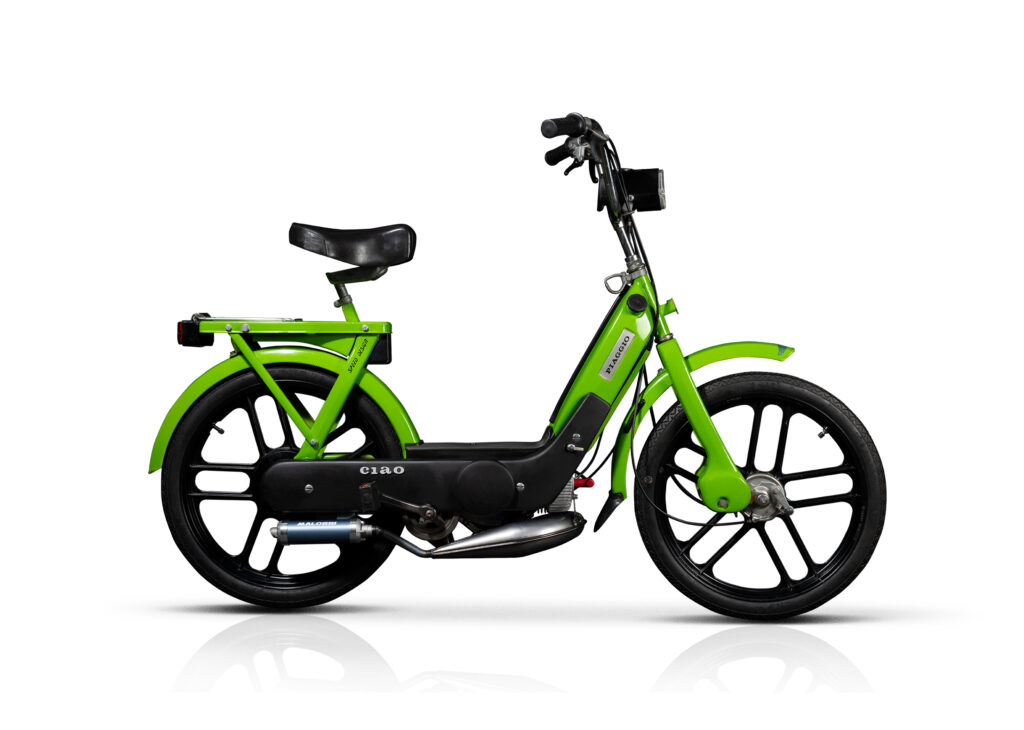
1. Piaggio Ciao (1967–2006)
Produced for nearly 40 years, the Ciao was the best-selling moped in Italy and the most resistant to the passage of time. Lightweight (approx. 40 kg), with a rigid frame and distinctive link-arm front suspension, it is instantly recognisable thanks to its clean lines and the fuel tank integrated into the frame. It was available in versions with either a variator or a single-speed transmission and, from the 1990s onward, also with an automatic oil mixer.
The Ciao is truly a piece of Italian heritage, and it remains perfect for garage tuning enthusiasts.
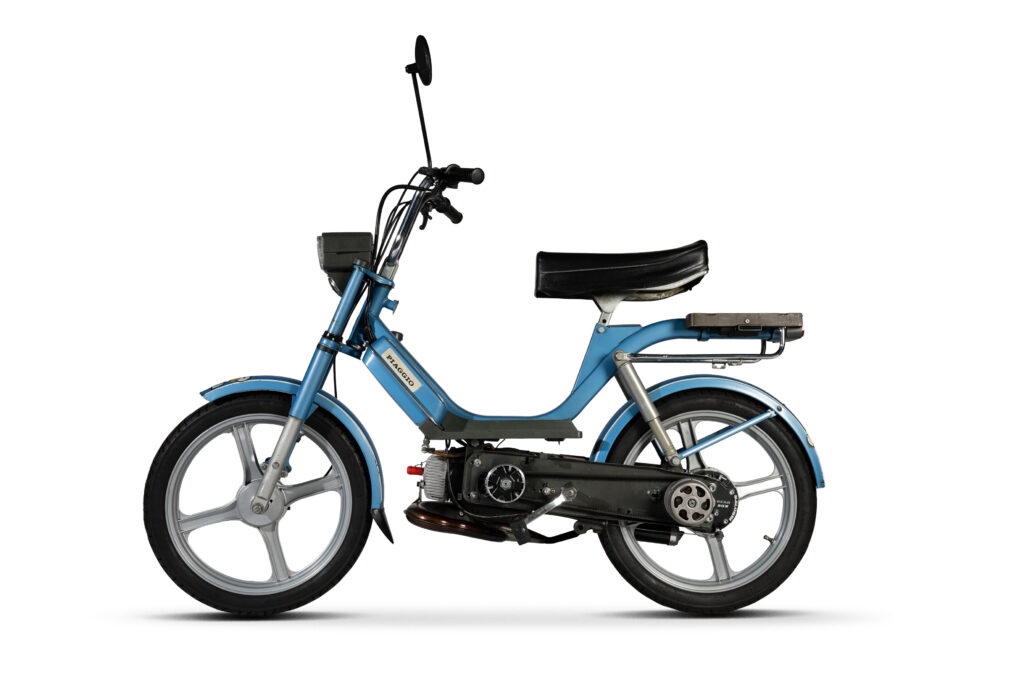
2. Piaggio Bravo (1973–2001)
Launched in 1973, the Bravo brought a significant upgrade in rider comfort. It introduced rear suspension and a telescopic fork, along with a fuel tank bolted securely to the monocoque frame. It was provided with single-speed or variator options (Bravo P, PV, Ecology System) and even sporty trims like the Superbravo with a kickstarter, and the three-speed Superbravo 3M.
Why does it stand out from the Ciao? It offered a smoother ride and a more aggressive profile.
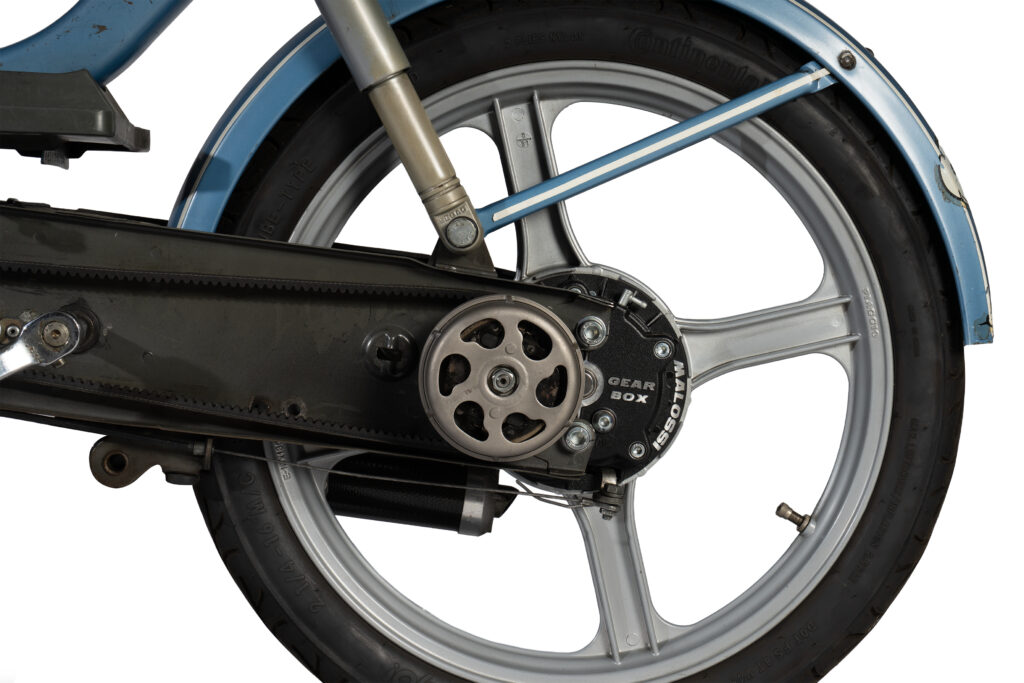
3. Piaggio Boxer / Boxer 2 (1970–1983)
The Boxer was the most robust moped in Piaggio’s history, featuring a short frame, 18” wheels (17” in the second series), and the fuel tank located under the seat. It was equipped with a telescopic front suspension (except for some rare early models that used the Ciao’s link-arm system) and made the variator an optional feature. The second series, the Boxer 2, introduced updated plastic components.
Why did it appeal to enthusiasts? When compared to the Ciao, the Boxer was more structured and built to last, appealing to riders who sought both sturdiness and a less traditional design.
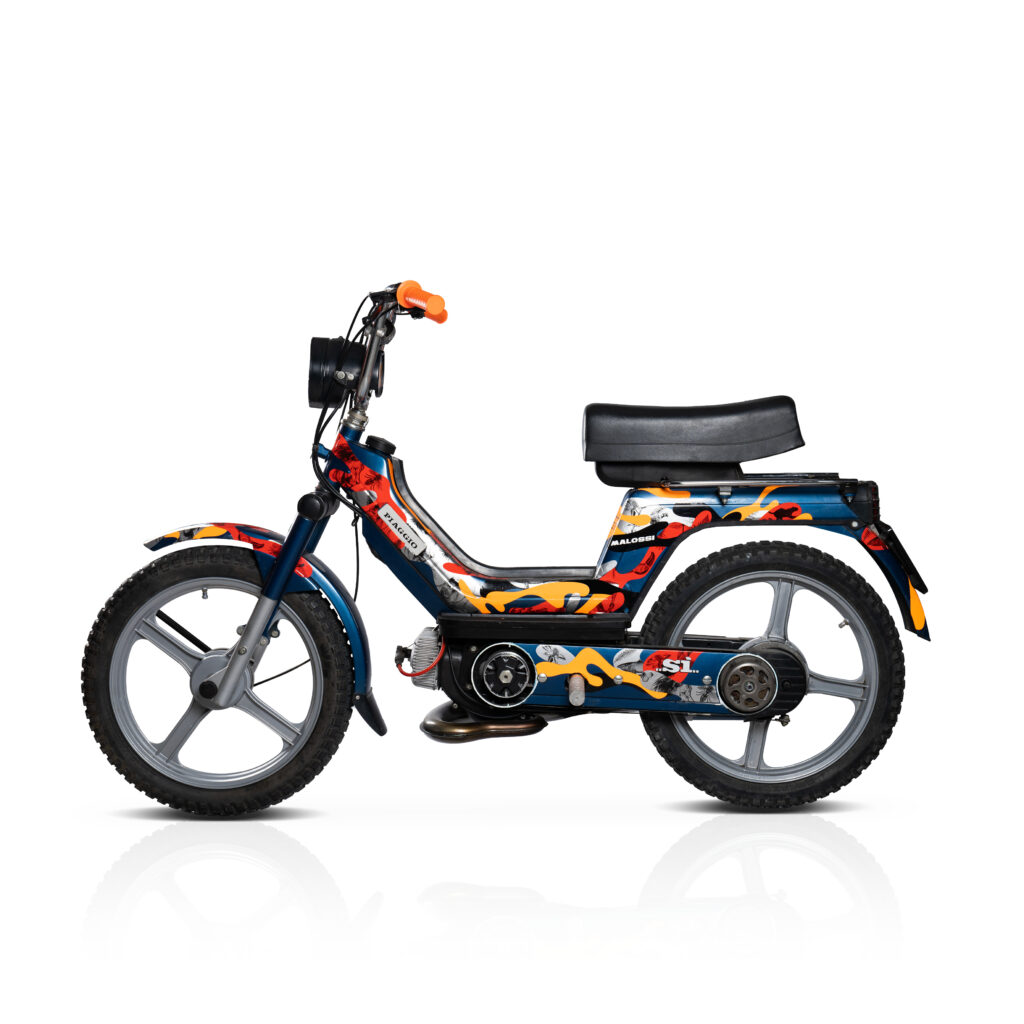
4. Piaggio Sì (1979–2001)
Launched in 1979, the Sì displaced the Boxer from the Piaggio catalog by elevating the moped with a telescopic fork, rear mono-shock absorber, a longer seat with storage space, and 16” four-spoke wheels. It featured an advanced engine (a better cylinder head, optional variator) and was produced in three main phases: the first series (1979–1987), the Electronic or FL which introduced electronic ignition (1987–1991), and the FL2 (1992–2001). Special versions included the Montecarlo, Tuttorosso, Ecology System, Mix with automatic oil mixer, and the Miami.
Compared to the Ciao, it was considered a significant leap forward because it was more refined, comfortable, had a more solid overall structure, and featured a contemporary look.
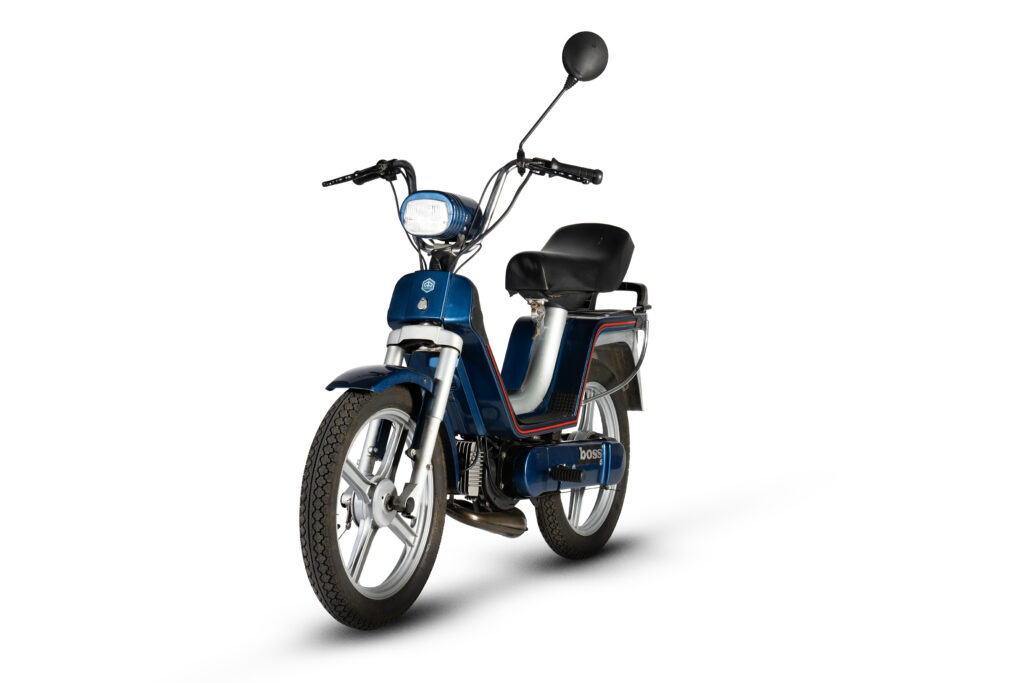
5. Piaggio Boss (1988-1989)
Produced only for a fleeting window between 1988 and 1989, the Piaggio Boss is the real rebel of the family. No pedals here. To fire it up, you had a retractable kickstarter, and its design echoed a compact scooter more than a traditional moped. The tube frame housed the trusted Piaggio Sì engine, but the Boss elevated it with standard CDI electronic ignition, modern handlebar controls, 16-inch alloy wheels, fatter tires than the Sì, and an integrated helmet compartment. With its more ‘mature’ look and rock-solid mechanics (the same as the Sì), the Boss marked a significant step toward the world of true scooters, all while fiercely holding its ground in the moped category.
6. Piaggio Grillo (1989–1996)
The Grillo was the small urban warrior, the true heir to the Boss. It distinguished itself with its small, 14-inch wheels, a compact frame, and razor-sharp handling. Variants offered a full spectrum of configurations, mixing and matching a variator or single-speed transmission, long or short seats, alloy or spoked wheels, and pedal or kick-starter ignition (resulting in the SM, SL, SK, LM, LV, LK models). It inherited the unique trailing link front suspension directly from the Ciao.
Agile, feather-light, and minuscule, it was engineered to dominate the city. Despite its urban prowess, the Grillo never quite caught fire.
The secrets behind Piaggio mopeds’ success
Among all Piaggio moped models, two have permanently carved their names into the collective memory: the Ciao and the Sì. The first, a timeless icon, served as the adventure companion for millions of Italians, effortlessly cruising through decades without missing a beat. The second, more modern, captured the youth of the ’80s and ’90s with a winning mix of style and practicality.
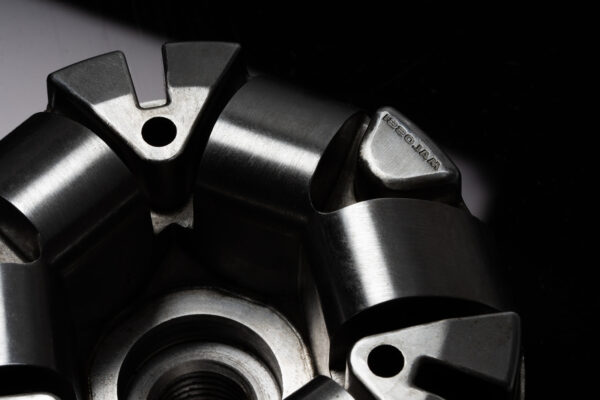
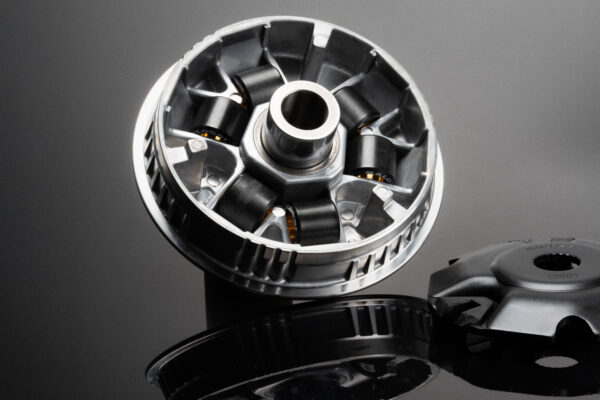
Yet why did Piaggio mopeds achieve such widespread success that they completely eclipsed their rivals? Part of it was due to the sleek design and the bright, vivid colors they were offered in. However, their true domination stemmed from a series of technical choices that revolutionised the sheer concept of the moped. While the centrifugal clutch and automatic variator weren’t Piaggio inventions, motor-driven bicycles before the Ciao were often cumbersome, frequently messy with oil – even at the spark plug- prone to overheating, and constantly demanding adjustments and transmission lubrication.
The Ciao changed the game. Its simple rubber belt drive, coupled up to a super-narrow, completely faired engine – and thus isolated from the rider – was a welcome innovation that this model passed down to its younger siblings. By making this personal transport even more practical and accessible to everyone, including women, Piaggio didn’t just compete; it dominated the field.